Does Medicare Pay for Nursing Home Stays?

Medicare does not pay for long-term custodial care facility stays or permanent residency. It only provides coverage for short-term stays in a Medicare-certified Skilled Nursing Facility (SNF) if you require professional medical care following a qualifying hospital stay. While Medicare covers 100% of the cost for the first 20 days, all coverage ceases after 100 days per benefit period.

Understanding the Medicare Nursing Home Coverage Gap

If you are currently navigating the healthcare system for a loved one, you have likely realized that “nursing home care” is a broad term that Medicare views through a narrow clinical lens. The most important distinction to make is between Skilled Care (medical treatment) and Custodial Care (help with daily tasks like bathing or dressing).

Medicare is designed as health insurance for acute recovery, not as a long-term solution for aging in place. For many families seeking a nursing home in Carneys Point, NJ, the realization that Medicare won’t foot the bill for long-term room and board often triggers a need for secondary financial planning.

The 100-Day Benefit Period: A Detailed Breakdown

Medicare coverage for skilled nursing is finite. A “benefit period” begins the day you enter a hospital or SNF and ends when you haven’t received any inpatient hospital or skilled care for 60 consecutive days.

Stay Duration What Medicare Pays Your Financial Responsibility
Days 1–20 100% of all covered costs $0 per day
Days 21–100 Everything except a daily co-pay Daily coinsurance (approx. $200+ per day)
Days 101+ $0 100% of all costs

Once you hit that 101st day, Medicare coverage officially “exhausts.” At this point, residents in senior living in Carneys Point, NJ, typically transition to private pay, long-term care insurance, or Medicaid.


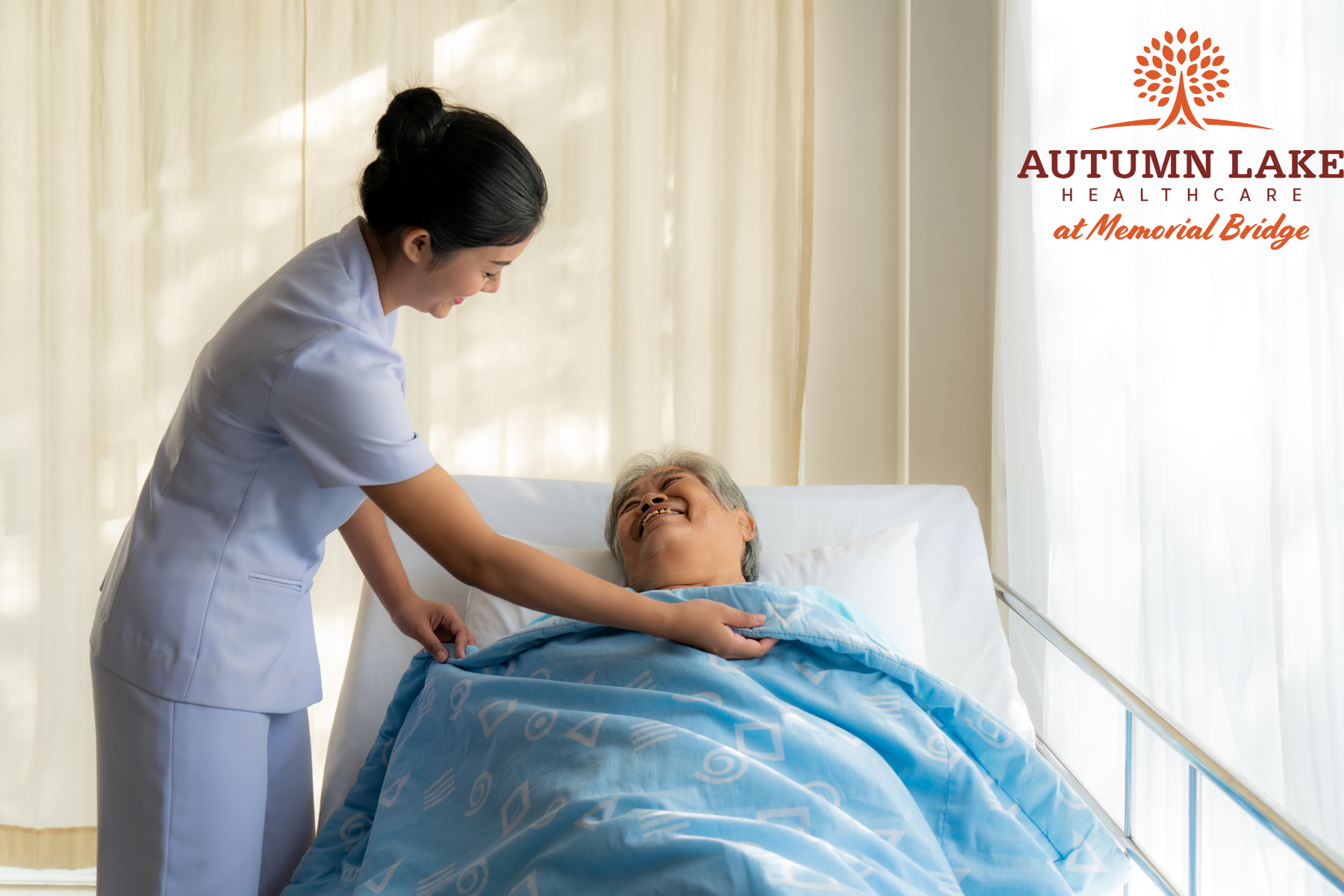
A caregiver at Autumn Lake Healthcare smiles while adjusting a blanket for a senior resident in bed.


Eligibility Requirements for Skilled Nursing (SNF)

To trigger the 100-day benefit, several strict criteria must be met. If any of these links in the chain are missing, Medicare will deny the claim, leaving the family responsible for the full bill from day one.

  • The Three-Day Rule: You must have a formal “inpatient” hospital stay of at least three consecutive days. Note that “Observation Status” does not count.
  • The 30-Day Window: You must generally enter the nursing facility within 30 days of leaving the hospital for the same condition.
  • Physician Certification: A doctor must verify that you require daily skilled care facility, such as wound care or intensive physical therapy, from a nursing home and rehabilitation center in Carneys Point, NJ.
  • Medicare-Certified Facility: The care must be provided at a facility that is fully certified by the Centers for Medicare & Medicaid Services (CMS).

Our Approach: The Autumn Lake Standard

We take pride in creating an uplifting, vibrant environment. Our award-winning team pours passion into every detail, caring for each resident like family and filling each day with engaging, meaningful services. We solve the “clinical feel” of traditional recovery by focusing on a gourmet dining experience, prepared by our very own culinary chef under the direction of a registered dietician.

Whether you are transitioning from a hospital or looking for assisted living in Carneys Point, our facility is designed to promote healing through high-end amenities and compassionate care, including:

  • Spacious private & semi-private rooms
  • Complimentary cable & WiFi
  • Private courtyard and garden
  • A variety of menu selections
  • On-site beauty salon and Gift shop
  • Spacious Lounges
  • Daily Housekeeping & Laundry Service
  • Proximity to Riverside Park

Debunking the “Improvement Standard” Myth

A common industry myth is that Medicare will only pay for a rehabilitation center in Carneys Point if the patient is showing constant “improvement.” For years, families were told coverage was being cut off because a patient had “plateaued.”

This is incorrect. Under the Jimmo v. Sebelius settlement, Medicare must pay for skilled care if it is necessary to maintain the patient’s current condition or to prevent or slow further decline. You do not have to get “better” to keep your coverage; you simply have to require skilled medical oversight to stay stable.

Specifications of Our Care

  • Accepted Payments: We accept Medicare, Medicaid, most insurances, and private pay.
  • Care Levels: Short-term rehabilitation, long-term skilled nursing, and respite care.
  • Medical Oversight: 24/7 nursing staff with specialized therapy departments.

Frequently Asked Questions

Does Medicare pay for the “Room and Board” in a nursing home?

Only during a qualified skilled nursing stay (the first 100 days). For long-term, permanent residency, Medicare does not cover room and board.

Can I get Medicare coverage for a nursing home without a hospital stay?

Generally, no. Medicare requires a 3-day inpatient hospital stay to trigger the SNF benefit.

What happens when Medicare stops paying?

When Medicare coverage ends on day 101, residents must switch to private funds, long-term care insurance, or apply for Medicaid.

To Sum Up

Navigating the 100-day Medicare window is complex, but your loved one’s care doesn’t have to be. At Autumn Lake Healthcare at Memorial Bridge, we combine clinical expertise with a vibrant, family-oriented atmosphere. From our gourmet meals to our serene garden settings, we ensure that every day is meaningful. For more information about our service, contact us to schedule a tour today!

Why Is a Skilled Nursing Facility Designation Different From a Standard Nursing Home for Post-Surgery Recovery?

A Skilled Nursing Facility (SNF) is a clinical destination providing intensive, physician-supervised rehabilitation and round-the-clock licensed medical care designed specifically for short-term recovery. In contrast, a traditional residential care home focuses on “custodial care,” offering long-term assistance with daily living activities for individuals with chronic conditions rather than clinical rehabilitation.

Understanding the Designation: Clinical Intensity vs. Custodial Support

When a loved one is preparing for discharge from a hospital, the terminology used by discharge planners can be confusing. While “nursing home” is often used as a catch-all term, in the eyes of medical providers and insurance carriers, these represent two distinct levels of care. For those seeking a rehabilitation center in Carneys Point, NJ, understanding this distinction is the first step in ensuring a successful recovery.

An SNF is essentially a bridge between the hospital and home, staffed by a multidisciplinary team including physical therapists, occupational therapists, and registered nurses working under a physician’s direction. Standard nursing homes, conversely, are designed for residents who may no longer be able to live safely at home due to cognitive decline or physical frailty but do not require daily medical intervention or intensive therapy.

Key Differences at a Glance: SNF vs. Nursing Home

Feature Skilled Nursing Facility (SNF) Standard Nursing Home
Primary Goal Clinical recovery and return to home. Long-term residential support.
Level of Care High-intensity medical & therapeutic. Low-intensity custodial care.
Staffing RNs, LPNs, and specialized therapists. Licensed nurses + Certified Nursing Assistants.
Average Stay 20 to 100 days (Short-term). Permanent or semi-permanent (Long-term).
Medicare Coverage Covered under Part A (post-hospital). Generally not covered (Private/Medicaid).

Defining Post-Surgical Care Specifications

Post-surgery recovery is a delicate window where the risk of complications like infections or blood clots is at its peak. Within the local senior living in Carneys Point landscape, families must look for specific “triggers” that necessitate a skilled environment rather than a residential one.

  • Medically Necessary Therapy: Post-surgical patients require physical or occupational therapy 5 to 7 days a week to regain functional mobility.
  • Wound Care Management: Surgical sites require professional monitoring and sterile dressing changes by a licensed nurse.
  • Intravenous (IV) Therapy: Many post-op patients require IV antibiotics or advanced pain management protocols that cannot be administered in a custodial setting.
  • Physician Oversight: An SNF requires a medical director to oversee care plans and adjust treatments based on real-time recovery data.


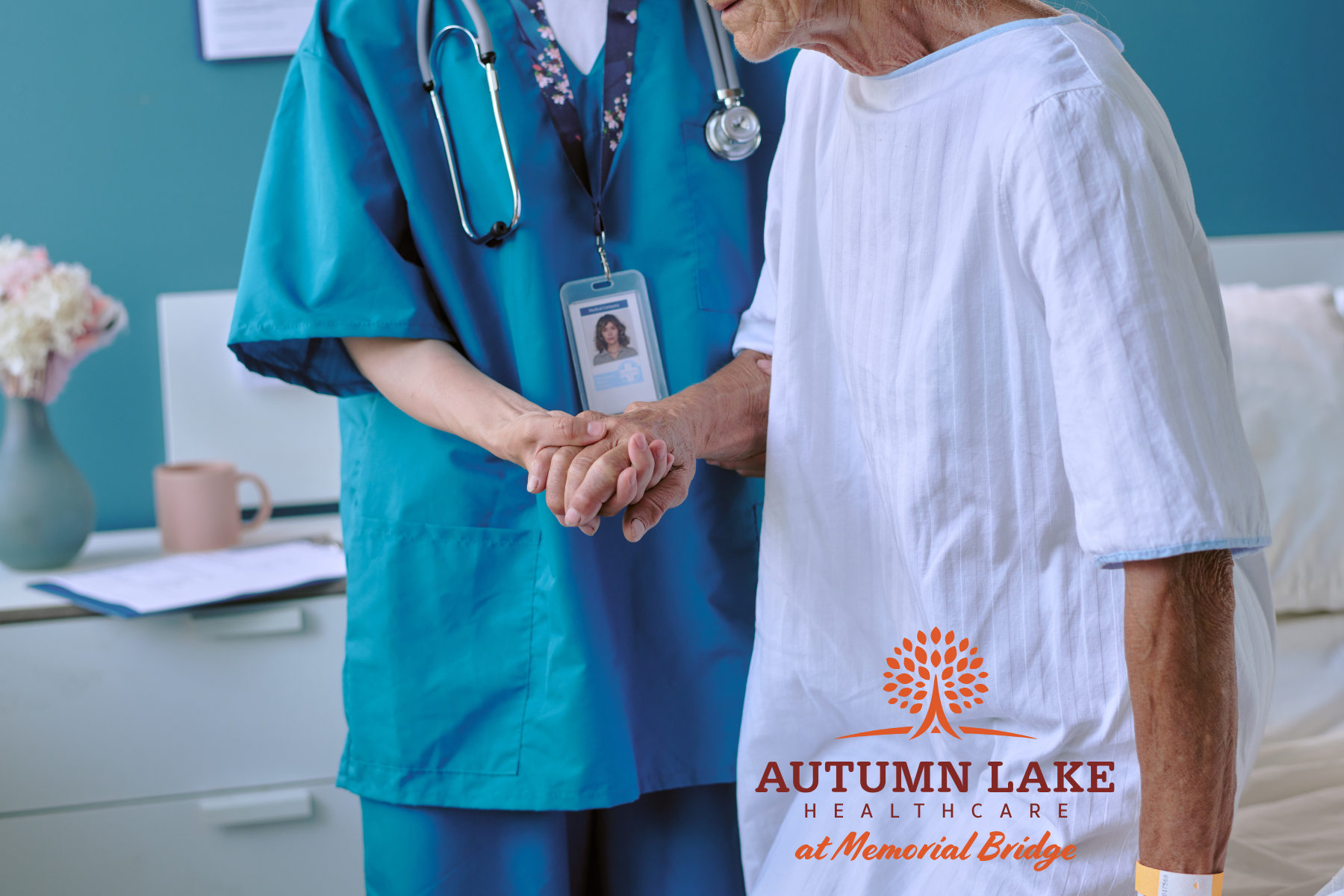
A nurse in blue scrubs gently holds the hand of an elderly patient in a hospital gown.


Our Approach: Clinical Excellence Meets a Vibrant Environment

We take pride in creating an uplifting, vibrant environment. Our award-winning team pours passion into every detail, caring for each resident like family and filling each day with engaging, meaningful services. We believe that clinical recovery is accelerated when a patient feels at home.

To support this, we provide a gourmet dining experience, prepared by our very own culinary chef under the direction of a registered dietitian. We understand that high-quality nutrition is the fuel for cellular repair and physical stamina during therapy. Our facility is designed to provide comfort alongside clinical care, featuring:

  • Spacious private & semi-private rooms with complimentary cable & WiFi.
  • A private courtyard and garden for peaceful reflection and outdoor mobility practice.
  • On-site beauty salon and Gift shop to maintain a sense of normalcy and dignity.
  • Spacious Lounges for social interaction with family and fellow residents.
  • Daily Housekeeping & Laundry Service, ensuring a clean, stress-free environment.

Whether you are transitioning from a nursing home & elder care in Carneys Point, NJ, or coming directly from a surgical ward, these amenities provide the emotional support necessary for physical healing.

Common Misconception: The “Same Building” Myth

A common industry myth is that any nursing homes in Carneys Point, NJ, can provide complex post-surgical rehab. This is a misconception that leads to financial errors. While many buildings house both levels of care in different wings, the designation of the bed is what matters. Medicare Part A typically covers the first 20 days of a “Skilled” stay at 100% following a qualifying hospital stay. If a patient is admitted to a custodial bed without the SNF designation, insurance may deny the claim entirely.

Frequently Asked Questions

Does Medicare pay for a nursing home stay after surgery?

Medicare only pays for stays in a certified Skilled Nursing Facility if you have had a qualifying 3-day inpatient hospital stay. It does not cover “custodial care” in a standard assisted living in Carneys Point, NJ.

How many hours of therapy do you get in an SNF?

Most patients receive between one and three hours of active therapy per day, depending on their tolerance and the surgeon’s specific protocols.

What insurance does Autumn Lake accept?

We accept Medicare, Medicaid, most insurances, and private pay to ensure our services remain accessible to the community.

To Sum Up

Choosing the right facility is the most important decision you will make following a surgical procedure. At Autumn Lake Healthcare at Memorial Bridge, we are located near the scenic Riverside Park, providing a tranquil backdrop for your rehabilitation. We don’t just provide a bed; we provide a pathway back to your life.

Ready to start your journey home? Visit us or contact our admissions team today to schedule a tour of our premier facility.

Type A Life Care vs. Type C Fee-for-Service: Which Senior Living Contract Offers Better Long-Term Asset Protection?

Type A (Life Care) contracts provide the most predictable long-term asset protection by stabilizing monthly costs regardless of the level of clinical care a resident eventually requires. While Type C (Fee-for-Service) contracts feature lower initial entry fees, they offer less financial security because they expose a family’s assets to full market rates if a resident transitions from independent living to high-acuity skilled nursing.

Selecting a senior living community is a significant financial decision that dictates how a family’s savings are shielded from the rising costs of healthcare. For those researching senior living in Carneys Point, NJ, the terminology can be overwhelming, yet the distinction between “Life Care” and “Fee-for-Service” is what determines whether an estate remains intact or is depleted by medical needs.

Key Differences in Senior Living Contract Structures

When auditing the long-term viability of a retirement plan, we categorize contracts into three primary tiers based on the level of risk shifted to the resident’s estate.

  1. Type A (Life Care / Extensive): This is a prepayment model where a higher entry fee guarantees that monthly service fees remain stable, even if you move into a nursing home and rehabilitation center in Carneys Point, NJ.
  2. Type B (Modified): This middle-ground contract offers a moderate entry fee and includes a specific number of “free” or discounted days of healthcare before shifting to a discounted daily rate.
  3. Type C (Fee-for-Service): This model offers the lowest barrier to entry, but if your health declines, you are responsible for the full market rate for all healthcare services at a rehabilitation center in Carneys Point.

Comparison: The Financial Impact on Your Estate

Feature Type A (Life Care) Type C (Fee-for-Service)
Initial Entry Fee High Low to Moderate
Predictability High: Monthly costs stay flat Low: Costs rise with health needs
Asset Protection Maximum: Shields against medical inflation Minimum: Assets are at risk of depletion
Best For Families prioritizing inheritance Seniors with high-liquidity plans

The “Hidden Savings” Myth of Fee-for-Service Contracts

A common industry misconception is that “only paying for what you use” is the most fiscally responsible path for those currently in assisted living in Carneys Point. This is often a “pay now or pay much more later” scenario, as the average stay in a skilled environment can span years. Without the hedge provided by a Type A contract, a family can see their entire real estate equity consumed by the gap between assisted living rates and skilled nursing rates.


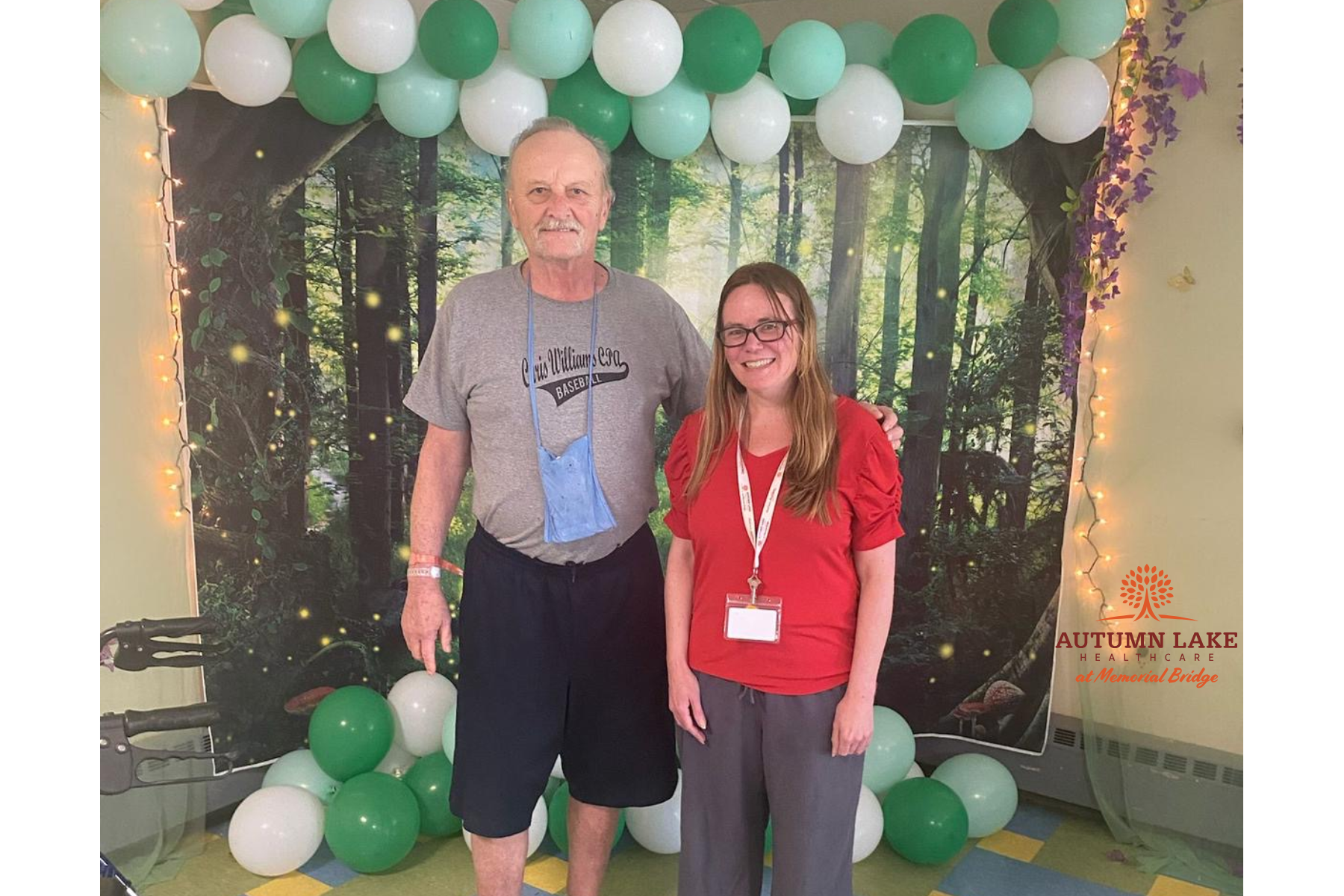
A resident and staff member pose together in front of a forest-themed photo backdrop with green and white balloons at a senior living community.


Applying our [Neuro-Clinical Asset Shield] to Solve This

Our proprietary [Neuro-Clinical Asset Shield] differentiates our approach by ensuring financial decisions are rooted in medical data. This program offers advanced care programs for complex medical conditions, including behavioral and mental health patients, overseen by a team of in-house, board-certified specialists. By integrating high-level clinical oversight with contractual transparency, we identify the “threshold of care” early, allowing families to navigate transitions before a financial crisis occurs.

A Lifestyle That Complements Financial Security

Protecting your assets should not require compromising on the quality of daily life when moving to a nursing home in Carneys Point, NJ. Our residents enjoy a gourmet dining experience, prepared by our very own culinary chef under the direction of a registered dietician, featuring a variety of menu selections. This focus on nutrition is a core part of our preventative health strategy to maintain resident independence for as long as possible.

Beyond clinical excellence, we provide an environment designed for total comfort:

  • Spacious private & semi-private rooms with daily housekeeping and laundry service.
  • Connectivity: Complimentary cable and high-speed WiFi for all residents.
  • Social & Personal Care: An on-site beauty salon, gift shop, and spacious lounges for family gatherings.
  • Outdoor Serenity: Access to a private courtyard and garden, providing a peaceful retreat near Riverside Park.

Understanding Coverage and Payment Options

Navigating the intersection of private contracts and government benefits is complex, particularly when considering Medicare, Medicaid, most insurance, and private pay. While Medicare may cover short-term recovery, it is not designed to cover the long-term “custodial” care that can drain an estate. Our administrative team works directly with families to map out how their specific insurance or Medicaid status integrates with our facility’s high-tier clinical programs.

Frequently Asked Questions

What happens to my entry fee if I leave the community?

Depending on your contract, a portion of your entry fee may be refundable to your estate. “90% refundable” contracts exist, but usually require higher upfront costs than “declining balance” contracts.

Does Medicare cover the costs of a Type C contract?

No. Medicare only covers “skilled” care, such as physical therapy or wound care, for a limited time (up to 100 days) following a hospital stay. It does not cover the monthly room and board of a Fee-for-Service contract.

Can I switch from a Type C to a Type A contract later?

Switching is rarely possible because Type A contracts require “medical underwriting.” If your health has already declined, you likely will not qualify for a Life Care contract and must remain on a Fee-for-Service basis.

To Sum Up

Choosing the right contract is about more than just a room; it’s about a lifetime of guaranteed care and the preservation of your family’s hard-earned legacy. At Autumn Lake Healthcare at Memorial Bridge, we combine clinical sophistication with a warm, community-focused environment.

Visit or contact us to schedule a tour of our private courtyard and meet our board-certified specialists. Let us help you bridge the gap between high-quality care and long-term financial peace of mind.

How to Transition a Senior from Independent Living to Memory Care After a Diagnosis

Transitioning a senior from independent living to memory care requires a clinical assessment, a change in residential licensure, and a personalized transition plan. The process involves securing a physician’s diagnosis of a cognitive disorder, updating the care plan to include 24/7 supervision, and coordinating a move to a secured, specialized environment designed for resident safety.

The shift from the freedom of independent living to the structured support of memory care is rarely a straight line. It is often a journey marked by subtle behavioral changes that eventually reach a clinical tipping point. When a loved one receives a diagnosis of Alzheimer’s, dementia, or a related cognitive disorder, the transition isn’t just a change of address; it is a shift in the level of medical and environmental necessity.

The 5-Step Clinical Transition Process

Navigating the healthcare system requires a structured clinical path to ensure your loved one receives the appropriate level of care without unnecessary stress.

1. Official Diagnosis & Physician’s Statement

The transition cannot legally or clinically begin without a formal diagnosis. A primary care physician or a neurologist must provide a written statement confirming that the individual requires a “Level of Care” consistent with memory support. This document is a mandatory prerequisite for insurance or Medicare reimbursement and validates the move to a secured unit.

2. The Functional Assessment

In many senior living communities, a registered nurse or a transitions coordinator will perform a functional assessment. Unlike standard physicals, this evaluates Activities of Daily Living (ADLs) through the lens of cognitive safety, checking for wandering risks, medication errors, and the ability to navigate communal spaces.

3. Legal Documentation Update

Before the move, ensure that the Durable Power of Attorney (DPOA) and Healthcare Proxy documents are active. In a memory care setting, the facility, like senior living in Carneys Point, must know who is legally authorized to make clinical decisions when the resident can no longer do so independently.

4. Environment Familiarization

Memory care units are architecturally distinct, often featuring circular hallways to reduce anxiety about “dead ends” and coded entry points for safety. During a recent audit for a firm in Carneys Point, NJ, we found that residents who engaged in “high-touch” orientation, visiting the new space multiple times before the move, experienced significantly lower rates of “Transfer Trauma.”

5. Care Plan Finalization

The final step is the creation of an Individualized Service Plan (ISP). This document outlines everything from dietary needs and medication schedules to “sundowning” protocols and social engagement goals.

Applying our “Continuum of Clarity” to Solve This

At our facility, we utilize a proprietary framework known as the Continuum of Clarity. This advanced care program is specifically engineered for residents with complex medical conditions, including those requiring behavioral and mental health interventions.

While many nursing homes in Carneys Point, NJ, provide basic supervision, our Continuum of Clarity is overseen by a team of in-house, board-certified specialists. This program bridges the gap between traditional residential living and intensive clinical support by monitoring neuro-behavioral patterns daily, allowing our specialists to adjust care plans in real-time to prevent crisis-driven transfers.

The Lifestyle Transition: What to Expect

A move to memory care transitions a senior from a social model to a medical-safety model without sacrificing comfort. Many families find that the specialized support actually improves a senior’s quality of life by removing the daily stressors of independent household management.

Amenities Designed for Dignity

Transitioning into our community means access to an environment that balances clinical safety with high-end residential living. Residents enjoy:

  • Spacious private & semi-private rooms with personal touches.
  • Complimentary cable & WiFi for family connectivity.
  • Private courtyard and garden for safe, supervised outdoor time.
  • Spacious Lounges for cognitive activities and socialization.
  • Riverside Park offers access to peaceful views and tranquility.
  • On-site beauty salon and Gift shop to maintain personal routines.
  • Daily Housekeeping & Laundry Service for a maintenance-free life.

A Gourmet Dining Experience

Nutrition plays a vital role in cognitive health. Our residents enjoy a gourmet dining experience, prepared by our very own culinary chef under the direction of a registered dietician. With a variety of menu selections, we ensure that every meal is both a nutritional necessity and a dignified social event.


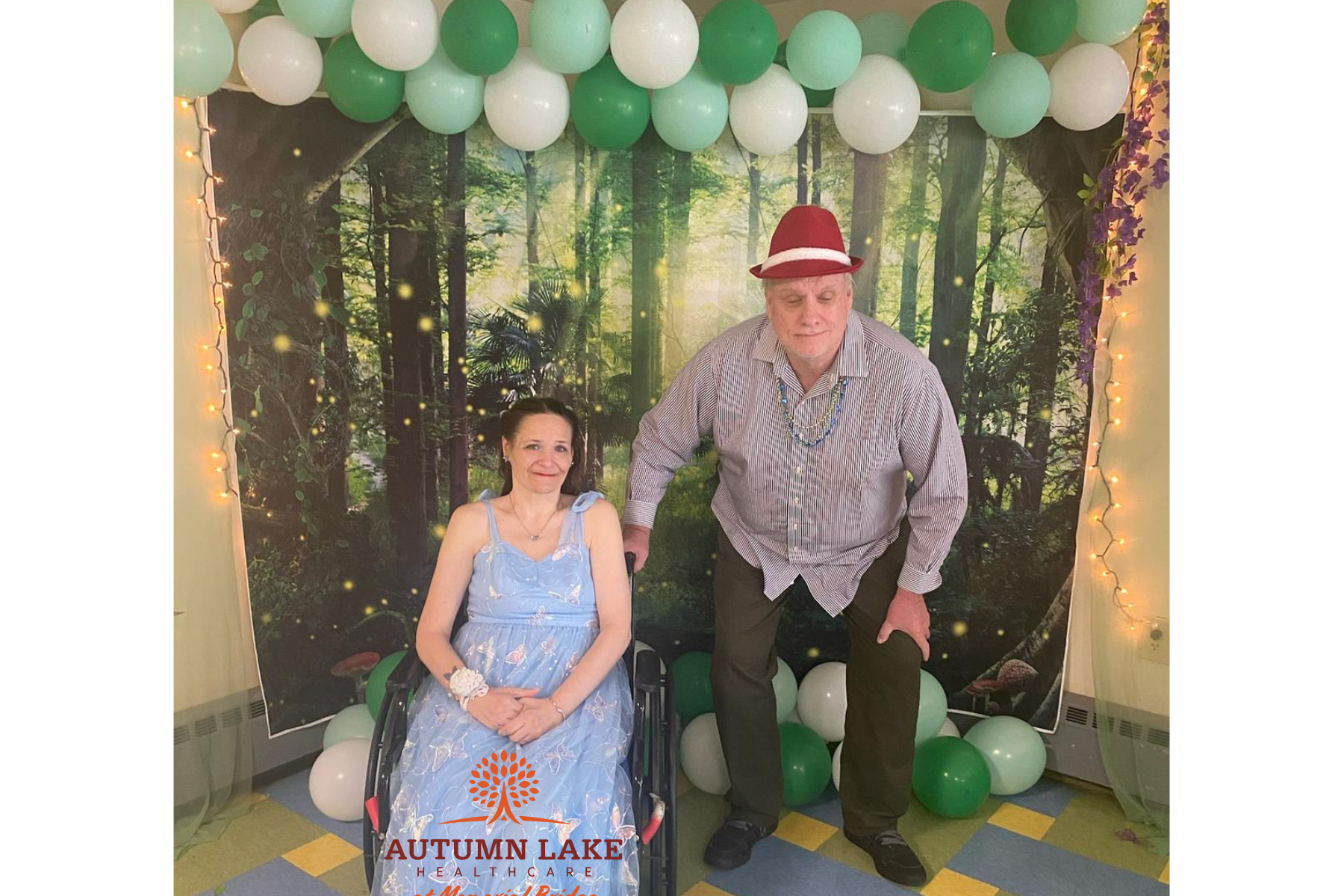
A resident in a formal blue dress and a man in a red hat pose in front of a forest-themed photo backdrop at a nursing home event.


Navigating the Financials: Insurance and Payment

Understanding how to fund the transition is a major concern for families looking at assisted living in Carneys Point, NJ. Because memory care involves a higher staff-to-resident ratio and specialized licensing, the financial structure differs significantly from independent living.

We accept the following payment methods:

  • Medicare: Typically covers short-term rehabilitation centers in Carneys Point, NJ, stays (up to 100 days), but may cover certain clinical aspects of memory care like therapy and physician visits.
  • Medicaid: Available for those who meet state-defined financial and clinical need requirements for long-term care.
  • Private Pay: We offer monthly rates that include all amenities, from 24/7 nursing supervision to daily housekeeping.
  • Most Insurances: We work with various long-term care insurance providers to maximize your existing policy benefits.

Common Myth: “Memory Care is Just Locked Independent Living”

The Reality: This is a misconception. Memory care is a highly regulated clinical environment. Unlike nursing home & elder care in Carneys Point, NJ, that focuses on general physical frailty, memory care is specifically designed to mitigate cognitive risks. This includes specific lighting to reduce confusion, specialized “Life Skills” stations, and staff trained in de-escalation techniques for behavioral symptoms.

Frequently Asked Questions

What is the best time to move from independent living to memory care? The best time is when “Social Independence” becomes a “Safety Risk.” Signs include missed medications, unexplained weight loss, social withdrawal, or wandering.

Does Medicare pay for memory care? Medicare generally does not pay for the “room and board” portion of memory care. It covers medical services, therapy, and medications provided within the facility.

What is the difference between a nursing home and memory care? A nursing home provides high-level medical care for physical ailments. Memory care is a specialized type of care specifically for those with cognitive impairments, focusing on safety and behavioral health.

To Sum Up

Choosing the right path for a loved one is one of the most significant decisions a family can make. At Autumn Lake Healthcare at Memorial Bridge, we provide more than just a residence; we provide a clinical sanctuary. Whether you are seeking a rehabilitation center or a permanent home for a loved one with memory loss, our team is here to guide you through every step of the continuum. For more information about our services, contact us to schedule a tour today!

How Does Autumn Lake Healthcare at Memorial Bridge Handle Medical Emergencies and 24-Hour Care for Residents?

Our team handles medical emergencies through a 24/7 high-acuity triage model that ensures licensed nursing staff are on-site at all hours to provide immediate clinical intervention. By utilizing an integrated emergency response system and maintaining a direct line to on-call attending physicians, the facility provides continuous medical oversight and seamless coordination with acute care hospitals when necessary.

The Foundation of 24-Hour Clinical Vigilance

When families search for nursing home & elder care in Carneys Point, NJ, their primary concern is almost always safety. What happens at 3:00 AM? Who is watching when the administrative offices are closed? The answer is a multi-layered clinical team that never clocks out. The backbone of this 24-hour care model is the distribution of licensed professionals. Unlike basic residential settings, a skilled environment requires a specific hierarchy of care to manage the complexities of aging and chronic illness.

The Nursing Hierarchy of Care

To maintain the highest standards of safety, the facility employs a tiered staffing approach:

  1. Registered Nurses (RNs): These professionals serve as the clinical leads, performing high-level assessments and making critical decisions during emergency triage.
  2. Licensed Practical Nurses (LPNs): These nurses manage the complex schedules of medication administration and monitor wound care or specialized treatments.
  3. Certified Nursing Assistants (CNAs): As the “eyes and ears” of the facility, CNAs provide the most direct bedside care, ensuring that any subtle change in a resident’s condition is reported to the nursing lead immediately.

This structure is particularly vital for those seeking a nursing home and rehabilitation center in Carneys Point, NJ, where post-surgical recovery requires constant monitoring to prevent complications like infections or falls.

Comparison: Navigating Levels of Care

Understanding the difference between various care models is essential for making an informed decision. Many families looking for assisted living in Carneys Point, NJ, may not realize that a skilled nursing environment offers a much higher level of medical intervention.

Feature Standard Assisted Living Autumn Lake Skilled Nursing
Nursing Presence Often limited to daytime/on-call 24/7 On-Site Licensed Nurses
Physician Access Off-site / Appointment only On-Call Medical Director & MDs
Emergency Response Basic First Aid / 911 Advanced Clinical Triage & Stabilization
Medication Management Reminders / Assistance Licensed Professional Administration

While assisted living provides a wonderful social environment, our team is designed for those who require a clinical “safety net” that functions around the clock.


A nursing home staff member and an elderly resident smiling together in front of a forest-themed photo backdrop with green balloons.


The Protocol: Handling a Medical Emergency

When a medical event occurs, whether it is a sudden change in vitals, a respiratory issue, or a fall, the facility moves into an orchestrated emergency protocol. This process is designed to stabilize the resident while minimizing the trauma of unnecessary hospital transfers.

1. Immediate High-Acuity Triage

The moment a call bell is pressed or a staff member notices a change, a licensed nurse initiates a head-to-toe assessment. This isn’t just a check-in; it is a clinical evaluation of blood pressure, oxygen saturation, neurological status, and glucose levels.

2. The Physician Connection

Our team maintains a robust network of attending physicians and a Medical Director who are available on-call. When a nurse identifies an issue, they don’t just call 911; they consult with a doctor who knows the resident’s specific medical history. This allows for “treatment in place” whenever safe and appropriate.

3. Coordinated Acute Transfer

In the event that a resident requires hospital-level diagnostics (like an MRI or emergency surgery), the facility manages the transition. We ensure that the receiving hospital has a full clinical packet, including current medications, DNR/DNI status, and recent labs, so that no time is wasted in the ER.

Debunking the “Mini-Hospital” Myth

There is a common misconception in the senior care industry that a skilled nursing facility is exactly like a hospital, with doctors physically patrolling the hallways 24 hours a day.

The Reality: A skilled nursing facility is a residential medical environment, not an acute care hospital. While we provide 24/7 nursing care, the “Always Available” doctor standard is met through a sophisticated tele-health and physician-on-call system. This model is actually preferred for long-term care because it provides a “safety net” of clinical expertise without the sterile, high-stress atmosphere of a hospital ward. Residents live in a home-like setting but sleep soundly knowing that a professional medical team is only steps away.

Applying our Restful Rejuvenation Standard to Solve This

We recognize that “care” is about more than just medicine; it is about the environment in which that medicine is delivered. We have developed a proprietary approach called the Restful Rejuvenation Standard. This is our commitment to blending high-level clinical outcomes with a boutique, hospitality-driven experience.

In the context of 24-hour care and emergencies, we apply the Restful Rejuvenation Standard in three distinct ways:

  • The “Silent Bell” Philosophy: We utilize localized pager systems and vibration-based alerts rather than loud, jarring overhead pages. This ensures that an emergency for one resident does not disrupt the sleep and “rejuvenation” of the entire wing.
  • Boutique Clinical Transitions: During a medical event, our staff is trained to maintain a calm, reassuring presence. We treat the resident as a “guest” first and a “patient” second, ensuring that emotional support is integrated into the clinical intervention.
  • The Circadian Wellness Cycle: 24-hour care doesn’t mean waking residents up all night for non-essential tasks. Our standard dictates that clinical checks are bundled and timed to respect the resident’s natural sleep patterns, which is essential for cognitive health and recovery.

By focusing on these nuances, we provide a level of Carneys Point, NJ senior living that feels less like an institution and more like a high-end wellness retreat with a medical backbone.

Continuous Safety Features and Quality Control

Beyond the personnel, the facility utilizes technology and infrastructure to ensure safety. This includes electronic medication administration records (eMAR) to prevent errors during shift changes and specialized wound care for those requiring 24-hour monitoring of complex surgical sites.

Whether a family is looking for short-term recovery or a permanent home for a loved one, knowing these systems are in place provides peace of mind. During a recent audit for a firm in Carneys Point, NJ, our emergency response times and clinical documentation were highlighted as a benchmark for the region.

Frequently Asked Questions

What is the difference between 24-hour nursing and 24-hour custodial care?

24-hour nursing involves Licensed Practical Nurses and Registered Nurses who perform clinical assessments. Custodial care usually refers to non-medical assistance with bathing and dressing, often found in standard senior living in Carneys Point, NJ.

Is there a doctor on-site at all times?

Nurses are on-site 24/7; physicians and the Medical Director are available via a 24-hour on-call system to guide emergency decision-making.

How do you prevent falls during the night?

We utilize a combination of the Restful Rejuvenation Standard, floor sensors, and frequent “comfort rounds” where staff assist with toileting or repositioning before a fall occurs.

To Sum Up

Choosing the right environment for a loved one is a significant decision. At Autumn Lake Healthcare at Memorial Bridge, we combine clinical rigor with the warmth of a boutique community. We invite you to see our Restful Rejuvenation Standard in action and learn more about how our 24-hour team provides the security your family deserves. For more information about our services, contact us to schedule a tour.

How Does Autumn Lake Healthcare Ensure a High Quality of Life for Residents in Its Nursing Home and Rehabilitation Center?

Autumn Lake Healthcare ensures a high quality of life by combining specialized clinical oversight with a vibrant, resort-style environment that prioritizes resident dignity. Their model integrates 24/7 skilled nursing with personalized rehabilitation and robust social engagement, transforming traditional medical settings into warm, active communities focused on holistic recovery and long-term wellness.

Selecting a care center is a pivotal decision that shouldn’t require a trade-off between medical necessity and personal comfort. The transition from a hospital or home is managed with a focus on continuity and emotional ease. By balancing sophisticated medical equipment with amenities that mirror a high-end hospitality experience, the facility creates a sanctuary where healing and daily joy coexist. This commitment to excellence makes it a premier choice for those seeking a nursing home & rehabilitation center in Carneys Point, NJ, where the goal is always to return the resident to their highest level of function.

The Pillars of Excellence: Comparing Care Tracks

To maintain transparency and help families navigate their options, the following table compares the two primary service paths available within our care network.

Feature Short-Term Rehabilitation Long-Term Skilled Nursing
Primary Goal Rapid recovery and return to home Managing chronic conditions & daily life
Therapy Frequency Up to 7 days a week (PT/OT/ST) Ongoing maintenance & restorative care
Medical Oversight High-intensity post-surgical care 24/7 monitoring and specialty care
Social Focus Goal-oriented milestones Community integration and enrichment

5 Ways Personalized Care Plans Improve Daily Life

A high quality of life is not a “one size fits all” metric. Every individual entering our rehabilitation center in Carneys Point, NJ, receives a strategy tailored to their specific biography and biology.

  1. Baseline Evaluation: Each resident undergoes a medical and social assessment to identify personal triggers, preferences, and physical goals.
  2. Multidisciplinary Strategy: Physicians, nurses, and therapists meet weekly to adjust treatment based on real-time recovery data.
  3. Adaptive Equipment Training: We utilize modern gyms to help residents relearn Activities of Daily Living (ADLs) safely.
  4. Family Partnership: We include family members in care meetings to ensure the resident’s lifelong habits are respected.
  5. Concierge Services: Dedicated staff assists with non-clinical needs, from scheduling appointments to arranging personal visits.


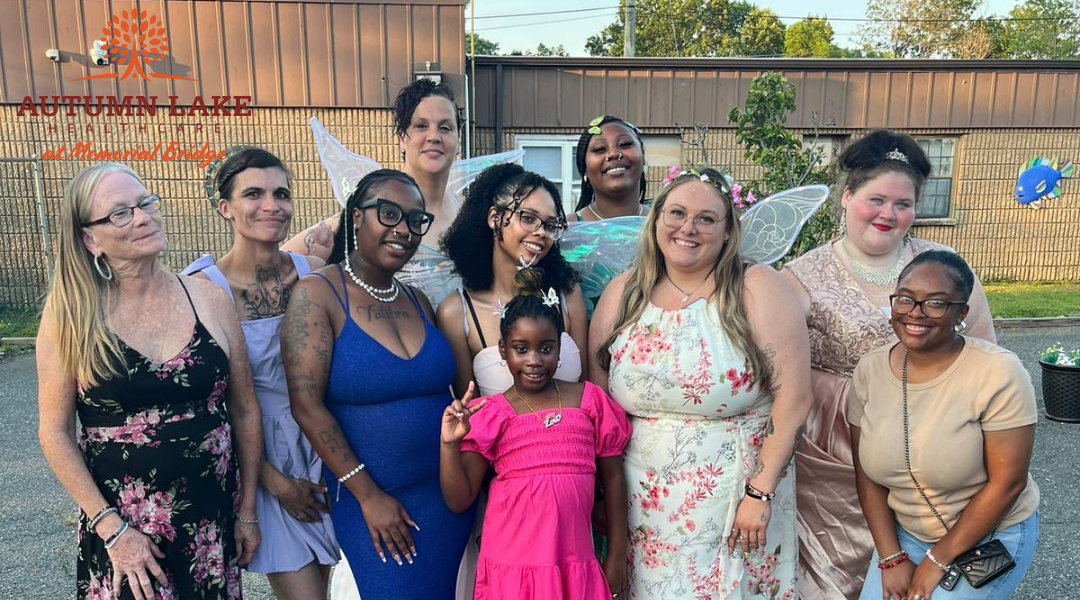
A group of diverse nursing home staff members and a young girl smiling together at an outdoor facility event.


The Autumn Lake Care Culture: Our Secret to Success

We take pride in creating an uplifting, vibrant environment. Our award-winning team pours passion into every detail, caring for each resident like family and filling each day with engaging, meaningful services. This philosophy is the heartbeat of our senior care in Carneys Point, NJ, ensuring that residents don’t just “stay” with us, they thrive.

Our proprietary approach focuses on the “Living” in Skilled Nursing. This means every interaction is an opportunity to provide:

  • A Gourmet Dining Experience: Meals are prepared by our very own culinary chef under the direction of a registered dietician.
  • Premier Accommodations: Residents enjoy spacious private & semi-private rooms with complimentary cable & WiFi.
  • Serene Grounds: On-site features include a private courtyard and garden, with some locations offering views of a local Riverside Park.
  • Personalized Conveniences: We provide an on-site beauty salon, a gift shop, and spacious lounges for social gatherings.
  • Daily Support: We manage the stressors of life through daily housekeeping & laundry services, allowing residents to focus on their health.

Debunking the “Hospital-Extension” Myth

A common industry misconception is that a nursing home in Carneys Point, NJ, is simply a sterile extension of a hospital ward. In reality, while hospitals focus on short-term stabilization, our team focuses on the “Home” aspect of the name. We replace the rigid, clinical atmosphere with open visiting hours, communal dining in a social hall rather than on bedside trays, and vibrant social calendars. Residents are encouraged to bring personal belongings to decorate their spaces, fostering a sense of ownership and peace that a hospital cannot provide.

Specialty Care and Financial Accessibility

High-acuity medical needs require more than just general nursing. Our specialized programs for ventilator care, wound management, and memory support ensure that even the most complex cases receive dignified, expert attention. Because we believe this level of care should be accessible, we accept Medicare, Medicaid, most insurances, and private pay options. This financial flexibility allows families to focus on their loved one’s recovery at a Carneys Point, NJ, nursing home without the added stress of navigating complex billing alone.

Frequently Asked Questions

What is the difference between nursing care and assisted living?

Assisted living is for those who need minor help with tasks like cooking or medication reminders. Nursing care provides 24/7 medical supervision and intensive therapy for those with complex medical or cognitive needs.

Can I tour the facility before admitting a family member?

Yes. We encourage families to visit our spacious lounges, private courtyards, and therapy gyms to see our CARE culture in action before making a decision.

Does the facility provide transportation for outside appointments?

We coordinate all necessary medical transport for our residents to ensure they never miss an external specialist appointment or follow-up.

To Sum Up

Experience a higher standard of living and clinical excellence. Whether you are navigating a recent hospital discharge or planning for long-term support, we invite you to see the Autumn Lake difference firsthand. Visit us today to schedule a tour of our welcoming environment and learn how we support your loved one’s unique journey.

How We Keep Families Informed: A Guide to Staying Updated on Your Loved One’s Health and Well-Being

To stay updated on a loved one’s health, families receive information through a combination of secure digital portals, scheduled clinical briefings, and direct access to care coordinators. This structured approach ensures transparency by providing consistent updates on medical vitals, medication management, and emotional wellness, fostering a true partnership between the care team and the family.

Transparency in Modern Care

When a family member transitions to a professional care setting, relatives’ primary concern is the “information gap.” Understanding the nuances of daily life, from clinical stability to social engagement, is essential for peace of mind. We believe that family members are not just observers but vital members of the care team. By maintaining open lines of communication, we ensure that every milestone, whether it is a breakthrough in physical therapy or a simple moment of joy in the garden, is shared and celebrated.

Choosing the right senior living in Carneys Point, NJ, means entering a partnership where communication is the cornerstone. We prioritize clarity and frequency, ensuring you are never left wondering about your loved one’s health or happiness.

Communication Methods Comparison

Effective communication requires a multifaceted approach. We utilize specific channels to ensure data is accessible and tailored to your family’s needs.

Communication Channel Primary Purpose Update Frequency Best For
Secure Family Portal Digital access to records Real-time / 24/7 Lab results and daily logs
Direct Nurse-Line Clinical inquiries As needed Acute status changes
Care Plan Meetings Multidisciplinary review Quarterly Long-term goal setting
Social Wellness Reports Emotional updates Weekly Activity participation

Our care center in Carneys Point, NJ, ensures every family stays informed through these structured, reliable touchpoints.

4 Steps to Accessing Real-Time Updates

To ensure seamless information flow, we recommend a standardized protocol. Following these steps helps the care team deliver critical information to the right person at the right time.

  1. Designate a Primary Liaison: Families should select one point of contact to receive official updates to prevent fragmented communication.
  2. Onboard to the Digital Suite: Registering for our secure portal lets you view non-urgent data, such as meal preferences, at your convenience.
  3. Establish a Briefing Cadence: Work with our social services team to schedule a recurring phone or video check-in.
  4. Use Direct Messaging: For logistics such as clothing needs or salon appointments, our internal messaging system is the fastest way to communicate.

Whether your loved one is receiving long-term care with us or short-term rehab in Carneys Point, NJ, these steps help ensure you remain an active participant in their journey toward wellness.


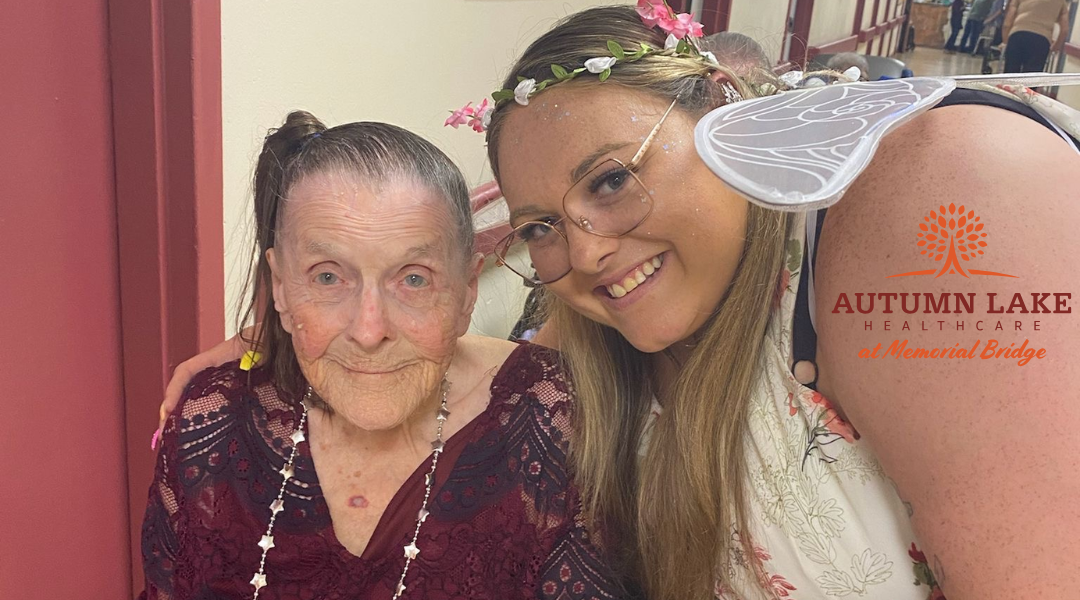
A smiling nursing home staff member wearing a flower crown and fairy wings posing with an elderly woman.


Applying our Heart-Led Vitality Framework

We take pride in creating an uplifting, vibrant environment. Our award-winning team pours passion into every detail, caring for each resident like family and filling each day with engaging, meaningful services. We call this our Heart-Led Vitality Framework. This approach addresses the “clinical silence” by reporting on the person rather than just the patient.

While some rehab homes in Carneys Point might only provide medical charts, our framework integrates lifestyle details into every update. You will hear about the gourmet dining experience prepared by our culinary chef under the direction of a registered dietician. We share updates on how your loved one is enjoying our spacious private and semi-private rooms, or spending time in the private courtyard and garden.

This framework covers everything from their progress in the on-site beauty salon to their time spent in our spacious lounges. With complimentary cable and WiFi, we also encourage residents to bridge the gap by connecting with you directly. Our goal is to ensure that the information you receive is as vibrant and multi-dimensional as the care we provide.

Debunking the “No News is Good News” Myth

A common industry misconception is the “No News is Good News” philosophy. In many Carneys Point nursing homes & elder care settings, families are only contacted during a crisis. This reactive model often leads to unnecessary caregiver anxiety.

We believe that Consistent News is Good News. Providing updates when a resident is stable and happy builds trust. By sharing the small wins, like a walk near Riverside Park or a successful physical therapy session, we ensure you are grounded in the full context of their journey. Our daily housekeeping and laundry services keep the environment pristine, and we make sure those daily successes are part of the conversation.

Frequently Asked Questions

How do you protect patient privacy? All updates are provided through HIPAA-compliant channels. We only share clinical details with the designated “Authorized Representative” listed on the official release forms.

What payment methods do you accept? We accept Medicare, Medicaid, most insurances, and private pay. Our administrative team provides clear updates on billing and coverage to keep the process transparent.

What happens in an emergency? In the event of an acute change in status, our clinical team contacts the primary liaison immediately via phone. We do not wait for the next scheduled briefing.

To Sum Up

At Autumn Lake Healthcare at Memorial Bridge, we provide a community where communication is constant and your peace of mind is our priority. Whether you need short-term recovery or long-term support, our team is dedicated to keeping you connected.

Ready to see our Heart-Led Vitality in action? Schedule a tour today and discover why we are the trusted choice for families in the region.

From Health Updates to Social Events: How We Ensure Families Feel Connected to Their Loved Ones

Senior living and clinical care communities ensure family connectivity by integrating real-time digital health portals, consistent face-to-face care conferences, and daily social media updates. By maintaining a transparent flow of information regarding medical vitals and emotional well-being, these providers bridge the gap between facility care and family involvement. This multi-channel approach ensures a seamless continuum of connection that prioritizes both clinical data and personal joy.

The transition into a professional care setting often triggers “communication anxiety,” where families fear losing the pulse of their loved one’s daily life. To solve this, modern providers have moved beyond the “emergency-only” phone call. We now utilize a structured communication strategy that treats family members as active partners in the care team, ensuring they see the small victories, like a shared laugh at dinner, just as clearly as they see a medical report.

5 Essential Communication Channels for Modern Families

To provide a 360-degree view of a resident’s life, we utilize a specific hierarchy of communication tools. Each serves a unique purpose in maintaining the bond between the resident and their outside support network. For those researching nursing homes in Carneys Point, NJ, understanding these specific channels is the first step in ensuring long-term peace of mind and clinical transparency.

  1. Digital Health Portals: Secure, HIPAA-compliant access to vitals, medication changes, and wellness notes.
  2. Social Engagement Apps: Daily photo feeds and activity logs showing resident participation in communal events.
  3. Scheduled Video Calls: Managed “virtual visits” to ensure that distance never dictates the frequency of a face-to-face conversation.
  4. Monthly Care Summits: Holistic reviews involving the medical, social, and culinary teams to discuss long-term wellness goals.
  5. Community Newsletters: Highlighting upcoming events, menus, and staff spotlights to keep families integrated into the culture.

Comparing Communication Methods: Transparency vs. Frequency

Information ranges from critical clinical data to lighthearted social moments. A high-quality rehabilitation center in Carneys Point, NJ, will typically distinguish between these updates to ensure families are never overwhelmed by noise but are always informed of the important signals.

Type of Update Communication Channel Frequency Goal
Health Milestone Clinical Portal / Direct Call Real-time / As Needed Clinical Accuracy
Daily Socializing Community App / Photos 3–5 Times Weekly Emotional Connection
Facility News Email / Digital Newsletter Monthly Community Awareness
Care Planning Care Conference (In-person/Zoom) Quarterly Strategic Wellness

Debunking the Myth: “No News is Good News”

A common industry misconception is that families only need to be contacted when a medical emergency or significant decline occurs. This “crisis-only” communication model is outdated and creates unnecessary stress. When looking for a nursing home and rehabilitation center in Carneys Point, NJ, families should look for a partner that rejects this silence in favor of proactive engagement.

In a high-standard care environment, silence is a missed opportunity for connection. True connectivity means sharing the “small wins”, like a resident trying a new art class or enjoying a specific meal. Constant, low-stakes updates build the trust necessary to handle high-stakes health updates more effectively. It transforms the facility from a clinical “black box” into an open, accessible community.


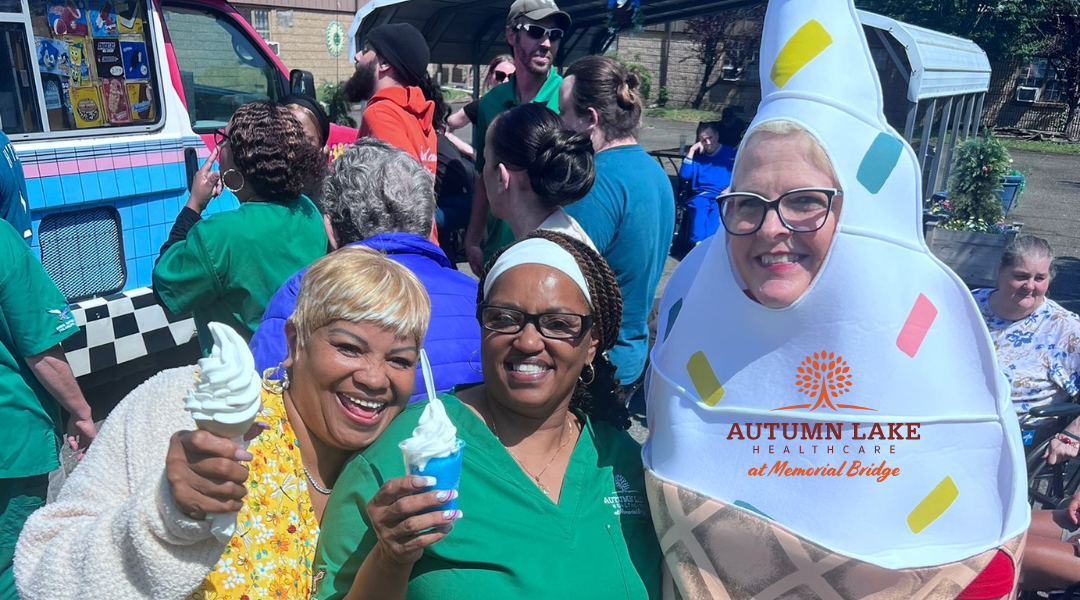
Residents and staff enjoying ice cream treats during an outdoor social event at an assisted living community.


Applying our Memorial Bridge Harmony Framework

We take pride in creating an uplifting, vibrant environment where our award-winning team pours passion into every detail. We care for each resident like family, filling each day with engaging, meaningful services through our proprietary Memorial Bridge Harmony Framework. This framework ensures that clinical excellence never comes at the cost of personal dignity or social vitality.

A cornerstone of this framework is our gourmet dining experience, prepared by our very own culinary chef under the direction of a registered dietician. We offer a variety of menu selections in our spacious lounges, ensuring that nutrition is both a medical priority and a social highlight. This focus on quality extends to our physical environment, featuring:

  • Spacious private & semi-private rooms with complimentary cable & WiFi.
  • A private courtyard and garden for serene outdoor moments.
  • On-site beauty salon and gift shop to maintain a sense of normalcy.
  • Daily Housekeeping & Laundry Service for a maintenance-free lifestyle.

Whether a resident is recovering near Riverside Park or relaxing in our lounge, the Harmony Framework ensures they are surrounded by beauty and support. By focusing on these lifestyle details, we ensure that when families call, they aren’t just hearing about “patient status”; they are hearing about a resident who is truly thriving in assisted living in Carneys Point, NJ.

Financial Connectivity and Local Roots

Part of our commitment to transparency involves helping families navigate the logistics of long-term care. To maintain a stress-free environment, we accept Medicare, Medicaid, most insurances, and private pay. This financial clarity is a key pillar of our communication, ensuring there are no surprises that could disrupt the focus on a loved one’s well-being. This level of administrative support is a hallmark of premier Carneys Point assisted living options.

Frequently Asked Questions

How often will I receive updates about my loved one’s health?

Clinical updates are provided in real-time for any significant changes, while routine wellness summaries are shared during scheduled care conferences.

Can I see photos of my loved one participating in activities?

Yes, we utilize secure engagement apps that allow staff to share photos and videos of daily events directly with approved family members.

What insurance plans do you accept for long-term care?

We accept Medicare, Medicaid, most major insurances, and private pay to ensure our residents have access to the care they need.

Are there private spaces for family gatherings?

Absolutely. Families are encouraged to use our private courtyard, garden, and spacious lounges for visits and celebrations.

To Sum Up

At Autumn Lake Healthcare at Memorial Bridge, we believe that the best care is delivered with an open heart and an open line of communication. We don’t just care for residents; we partner with families to create a legacy of wellness and joy. If you are looking for a community that treats your family like our own, we invite you to reach out.

Discover a community where connection is our top priority. Visit us today to schedule a tour and see our Memorial Bridge Harmony Framework in action.

Maintaining Independence in Long-Term Care: How Much Control Do Residents Have Over Their Daily Lives?

Residents in long-term care possess the legal right to exercise autonomy over their daily schedules, healthcare decisions, and social interactions. Federal and state regulations mandate that facilities provide “person-centered care,” ensuring individuals maintain control over when they sleep, what they eat, and how they engage with their community to preserve dignity and independence.

The Hierarchy of Resident Autonomy

When transitioning into a professional care setting, many seniors fear a loss of identity. Modern clinical standards dictate that a facility is a resident’s home, not just a medical workplace. True independence is measured by “Self-Determination”, the ability of a resident to remain the primary architect of their own life.

Navigating the various rehab homes in Carneys Point requires understanding how clinical necessity balances with personal freedom. While medical protocols ensure safety, the “default” setting for high-quality care is resident-led. Unless a specific impairment poses an immediate danger, your personal preferences should dictate the flow of your day.

Daily Life Control vs. Facility Requirements

Domain of Control Resident Rights Facility Responsibility
Daily Routine Choosing wake-up times and bathing frequency. Ensuring staff is available to assist during those windows.
Dietary Choices Selecting meals and choosing where/when to eat. Providing nutritious options and meeting dietary needs.
Financial Privacy Managing personal funds or choosing a representative. Providing secure storage and transparent accounting.
Social Freedom Unrestricted private communication and 24/7 visitors. Maintaining a secure, welcoming environment for guests.

5 Key Pillars of the Resident Bill of Rights

To maintain independence, a facility must actively protect individual liberties. In the many nursing homes in Carneys Point, these rights are the legal bedrock of elder care.

  1. Right to Refuse Treatment: Residents can decline specific medications or therapies without facing retaliation or losing their residency.
  2. Right to Participate in Care Planning: Residents and their designated family members must be invited to every meeting where medical and lifestyle goals are discussed.
  3. Right to Privacy: This includes private phone calls, unread mail, and the ability to keep personal belongings that make a room feel like a home.
  4. Right to File Grievances: Residents must have a clear path to voice concerns to an ombudsman or management without fear of discrimination.
  5. Right to Association: Residents have the power to organize councils to vote on menu changes, activities, and facility policies.


Gemini said
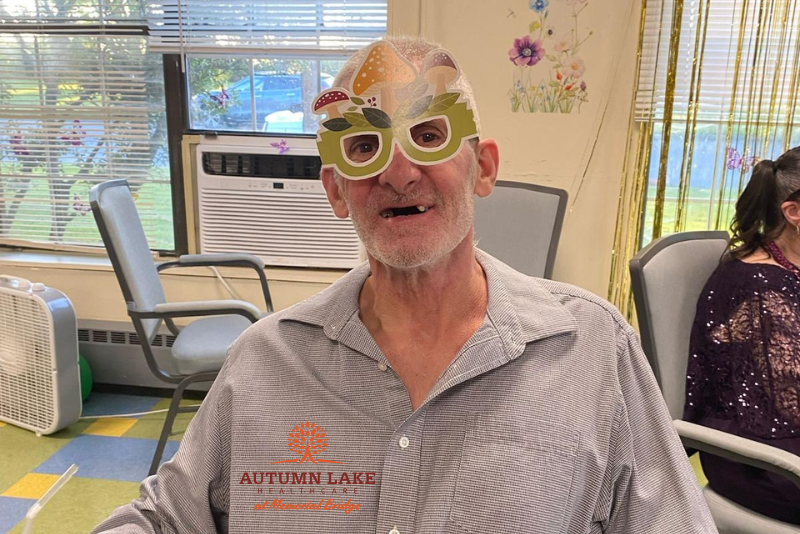
A senior resident wearing festive paper glasses during a social activity at a nursing home.


Debunking the “Institutionalization” Myth

The Myth: Once a senior enters long-term care, they must follow a rigid, military-style schedule for the efficiency of the nursing staff.

The Reality: The “Institutional Model” is an antiquated relic. When researching assisted living in Carneys Point, NJ, you will find that regulators now prioritize a “homelike” environment over “clinical efficiency.” Forcing a lifelong night owl to wake up at 6:00 AM for breakfast is no longer standard practice; it is often cited as a deficiency in care. Independence is a clinical requirement for psychological health, not a “perk” granted by the front office.

Creating an Uplifting, Vibrant Environment

We take pride in creating an uplifting, vibrant environment. Our award-winning team pours passion into every detail, caring for each resident like family and filling each day with engaging, meaningful services. This philosophy is the foundation of how we solve the “independence vs. safety” paradox often found in assisted living in Carneys Point.

We solve the challenge of maintaining autonomy through a comprehensive suite of amenities:

  • Gourmet Dining Experience: Our meals are prepared by our very own culinary chef under the direction of a registered dietician, offering a variety of menu selections.
  • The Comforts of Home: We offer spacious private and semi-private rooms equipped with complimentary cable and WiFi.
  • A Community of Convenience: From our on-site beauty salon and gift shop to spacious lounges and our private courtyard and garden, residents have total freedom of movement.
  • Lifestyle Support: We handle the daily housekeeping and laundry service, allowing residents to focus on social connections or a stroll through Riverside Park.

To ensure these services are accessible, we accept Medicare, Medicaid, most insurances, and private pay.

The Role of the Neighborhood in Resident Liberty

During recent audits of Carneys Point nursing homes & elder care, data show that the most successful residents are those who maintain a connection to their local neighborhood. Whether it’s a trip to a local shop or attending a community event, staying integrated with the local “vibe” prevents the feeling of isolation.

Independence is also about the ease of transition. For families coming from nearby residential pockets, the goal is to ensure the care facility feels like a natural extension of their home street. By choosing a facility that mirrors the values of the local community, the “loss of control” often associated with moving is replaced by a sense of belonging.

Frequently Asked Questions

Can a nursing home force a resident to take medication?

No. Competent residents have the legal right to refuse treatment, though the facility must explain the medical risks and document the refusal.

Do residents have a say in who their roommates are?

While assignments depend on availability, residents have the right to request a change if there is a lifestyle mismatch or personality conflict.

Are there set “visiting hours”?

Under federal law, residents have the right to receive visitors at any time, provided it does not infringe upon the safety or rights of other residents.

To Sum Up

Choosing the right partner in care means choosing a team that respects your history. At Autumn Lake Healthcare at Memorial Bridge, we are dedicated to ensuring every resident feels empowered and respected. Our passion-driven team is here to support your journey with dignity.

Ready to see what a “vibrant life” looks like? Schedule your private tour today.

Adapting to Changing Medical and Mobility Needs: How We Adjust Care Plans for Long-Term Residents

Care plans for long-term residents are adjusted through continuous clinical monitoring, quarterly multidisciplinary reviews, and immediate reassessments following significant health changes. By evaluating physical mobility, cognitive status, and medical stability, care teams implement tiered interventions, ranging from upgraded assistive devices to specialized nursing protocols, ensuring support always aligns with the resident’s current functional abilities.

The Anatomy of a Care Plan Evolution

In long-term care, stagnation is a risk to resident wellness. A resident who enters a facility with high levels of independence may, over months or years, face new challenges that require a shift in strategy. Adapting to these changing medical and mobility needs is a clinical necessity. When researching nursing homes in Carneys Point, NJ, families often ask how we ensure their loved ones don’t “fall through the cracks” as their health profile shifts. The answer lies in a structured evaluation process that treats the care plan as a living document.

Every resident undergoes a formal assessment upon admission, but the true work begins in the weeks that follow. We monitor “activities of daily living” (ADLs), such as dressing, bathing, and eating, to identify subtle trends. If a resident begins to struggle with a task they previously mastered, it triggers an automatic interdisciplinary review. This ensures that the care provided is never “too much” (which can strip away independence) or “too little” (which compromises safety).

Mobility Transitions: Comparing Support Levels

Mobility is often the first area where adjustments become visible. A resident might transition from walking independently to needing a cane, then a walker, and eventually perhaps a wheelchair. Each of these stages requires a different environmental setup and staffing approach. As a premier rehabilitation center in Carneys Point, NJ, we prioritize maintaining the highest possible level of function through every transition.

Functional State Mobility Indicators Intervention & Equipment Adjustment
Independent Steady gait, no assistance needed. Baseline monitoring; preventative wellness exercises.
Ambulatory with Assist Slight instability, fatigue during walks. Introduction of rolling walkers; PT-led strength training.
Transfer Dependent Difficulty standing from seated positions. Implementation of sit-to-stand lifts; 1-person physical assist.
Non-Ambulatory Unable to bear weight or propel manually. High-back power wheelchairs; full-body mechanical lifts.

During a recent audit for our residents near the Riverside Park area, we noted that environmental familiarity plays a massive role in mobility. By keeping the layout of our spacious private and semi-private rooms consistent while upgrading the medical equipment within them, we reduce the cognitive load on residents, making these mobility transitions feel less daunting and more like a natural evolution of their daily routine.

Our Philosophy: Creating an Uplifting, Vibrant Environment

At our facility, we take pride in creating an uplifting, vibrant environment. Our award-winning team pours passion into every detail, caring for each resident like family and filling each day with engaging, meaningful services. This philosophy ensures that as medical needs increase, the resident’s quality of life does not decrease. We integrate clinical adjustments into a lifestyle that remains dignifying and joyful.

A cornerstone of this environment is our gourmet dining experience, prepared by our very own culinary chef under the direction of a registered dietician. Even if a resident requires a textured-modified diet or specialized nutrition for assisted living in Carneys Point, they still enjoy a variety of menu selections. We believe that medical necessity should never come at the cost of a delicious, social mealtime.

Our facility is designed to support these transitions through a range of high-end amenities:

  • Spacious private & semi-private rooms: Allowing for the integration of medical equipment without feeling “clinical.”
  • Complimentary cable & WiFi: Keeping residents connected to their global community.
  • Private courtyard and garden: Safe, accessible outdoor spaces for fresh air and movement.
  • On-site beauty salon & Gift shop: Maintaining the rhythms of normal daily life.
  • Daily Housekeeping & Laundry Service: Removing the burden of chores so residents can focus on health.


A senior resident enjoying a sundae at an Autumn Lake Healthcare community.


Debunking the “Plateau” Myth in Long-Term Care

A common industry misconception is the “Maintenance Myth”, the idea that once a resident reaches a certain level of decline, their care plan should remain static because they have “plateaued.” This is a dangerous way of thinking often found in a standard nursing home in Carneys Point, NJ, where staff might become reactive rather than proactive.

The reality is that “maintenance” is a high-energy activity. To keep a resident at their current level of health requires constant adjustment. If we stop adjusting the care plan because we believe the resident is “stable,” we miss the tiny windows of opportunity to prevent secondary complications like skin breakdown or muscle atrophy. Our team treats “stability” as a goal that requires daily effort, ensuring that even when a resident isn’t “improving” in the traditional sense, their quality of life is being protected.

5 Steps to a Successful Care Plan Transition

When our team identifies a significant change in a resident’s status, whether it’s a new medication or a decrease in stamina, we follow a five-step protocol to ensure the transition is seamless. This is particularly vital for those transitioning into senior living in Carneys Point, NJ, where the goal is to balance safety with a high-energy lifestyle.

  1. Comprehensive Assessment: A “head-to-toe” evaluation by the nursing and therapy teams to establish a new baseline.
  2. Family Consultation: We meet with families to discuss the data and align on new goals, ensuring transparency and peace of mind.
  3. Resource Allocation: We immediately bring in necessary equipment, whether that’s specialized seating or advanced monitoring tech.
  4. Staff Re-Training: Every caregiver is briefed on the new requirements to ensure consistency across all shifts.
  5. Audit & Refine: We conduct a 72-hour “pulse check” to see how the resident is responding to the changes.

Frequently Asked Questions

How often are care plans updated?

Standard reviews happen quarterly, but “significant change” assessments occur immediately if a resident experiences a fall, a hospital stay, or a major change in physical or cognitive function.

Can a resident return to a lower level of care?

Yes. Through our rehabilitation protocols, many residents regain strength and can move from high-intensity nursing support back to a more independent lifestyle within the facility.

What insurances do you accept?

We accept Medicare, Medicaid, most insurances, and private pay. Our team assists families in understanding how coverage applies to different levels of care.

To Sum Up

At Autumn Lake Healthcare at Memorial Bridge, we believe that changing needs shouldn’t mean a change in quality of life. Our award-winning team is dedicated to providing a seamless transition for your loved one, ensuring they receive the clinical care they need within a vibrant, family-like atmosphere.

Would you like to see how we tailor our care plans in person?

Schedule a tour of our private courtyard and gourmet dining facilities today!