Adapting to Changing Medical and Mobility Needs: How We Adjust Care Plans for Long-Term Residents

Care plans for long-term residents are adjusted through continuous clinical monitoring, quarterly multidisciplinary reviews, and immediate reassessments following significant health changes. By evaluating physical mobility, cognitive status, and medical stability, care teams implement tiered interventions, ranging from upgraded assistive devices to specialized nursing protocols, ensuring support always aligns with the resident’s current functional abilities.

The Anatomy of a Care Plan Evolution

In long-term care, stagnation is a risk to resident wellness. A resident who enters a facility with high levels of independence may, over months or years, face new challenges that require a shift in strategy. Adapting to these changing medical and mobility needs is a clinical necessity. When researching nursing homes in Carneys Point, NJ, families often ask how we ensure their loved ones don’t “fall through the cracks” as their health profile shifts. The answer lies in a structured evaluation process that treats the care plan as a living document.

Every resident undergoes a formal assessment upon admission, but the true work begins in the weeks that follow. We monitor “activities of daily living” (ADLs), such as dressing, bathing, and eating, to identify subtle trends. If a resident begins to struggle with a task they previously mastered, it triggers an automatic interdisciplinary review. This ensures that the care provided is never “too much” (which can strip away independence) or “too little” (which compromises safety).

Mobility Transitions: Comparing Support Levels

Mobility is often the first area where adjustments become visible. A resident might transition from walking independently to needing a cane, then a walker, and eventually perhaps a wheelchair. Each of these stages requires a different environmental setup and staffing approach. As a premier rehabilitation center in Carneys Point, NJ, we prioritize maintaining the highest possible level of function through every transition.

Functional State Mobility Indicators Intervention & Equipment Adjustment
Independent Steady gait, no assistance needed. Baseline monitoring; preventative wellness exercises.
Ambulatory with Assist Slight instability, fatigue during walks. Introduction of rolling walkers; PT-led strength training.
Transfer Dependent Difficulty standing from seated positions. Implementation of sit-to-stand lifts; 1-person physical assist.
Non-Ambulatory Unable to bear weight or propel manually. High-back power wheelchairs; full-body mechanical lifts.

During a recent audit for our residents near the Riverside Park area, we noted that environmental familiarity plays a massive role in mobility. By keeping the layout of our spacious private and semi-private rooms consistent while upgrading the medical equipment within them, we reduce the cognitive load on residents, making these mobility transitions feel less daunting and more like a natural evolution of their daily routine.

Our Philosophy: Creating an Uplifting, Vibrant Environment

At our facility, we take pride in creating an uplifting, vibrant environment. Our award-winning team pours passion into every detail, caring for each resident like family and filling each day with engaging, meaningful services. This philosophy ensures that as medical needs increase, the resident’s quality of life does not decrease. We integrate clinical adjustments into a lifestyle that remains dignifying and joyful.

A cornerstone of this environment is our gourmet dining experience, prepared by our very own culinary chef under the direction of a registered dietician. Even if a resident requires a textured-modified diet or specialized nutrition for assisted living in Carneys Point, they still enjoy a variety of menu selections. We believe that medical necessity should never come at the cost of a delicious, social mealtime.

Our facility is designed to support these transitions through a range of high-end amenities:

  • Spacious private & semi-private rooms: Allowing for the integration of medical equipment without feeling “clinical.”
  • Complimentary cable & WiFi: Keeping residents connected to their global community.
  • Private courtyard and garden: Safe, accessible outdoor spaces for fresh air and movement.
  • On-site beauty salon & Gift shop: Maintaining the rhythms of normal daily life.
  • Daily Housekeeping & Laundry Service: Removing the burden of chores so residents can focus on health.
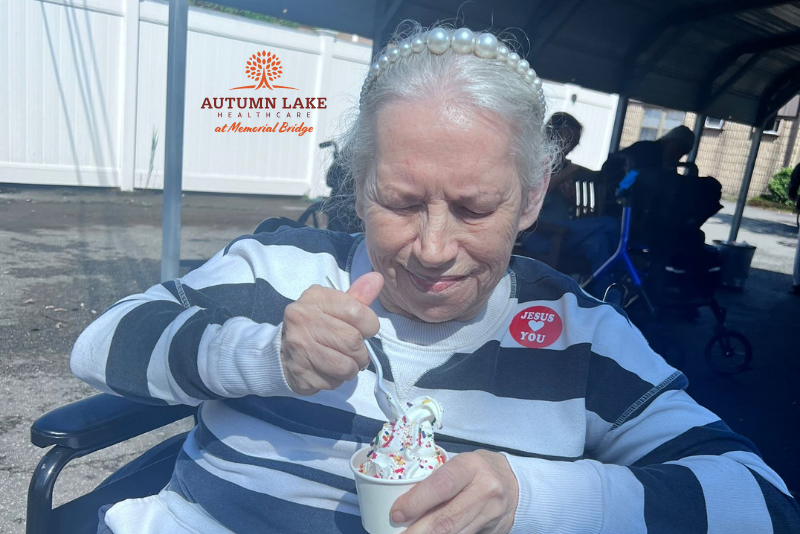
 

A senior resident enjoying a sundae at an Autumn Lake Healthcare community.


Debunking the “Plateau” Myth in Long-Term Care

A common industry misconception is the “Maintenance Myth”, the idea that once a resident reaches a certain level of decline, their care plan should remain static because they have “plateaued.” This is a dangerous way of thinking often found in a standard nursing home in Carneys Point, NJ, where staff might become reactive rather than proactive.

The reality is that “maintenance” is a high-energy activity. To keep a resident at their current level of health requires constant adjustment. If we stop adjusting the care plan because we believe the resident is “stable,” we miss the tiny windows of opportunity to prevent secondary complications like skin breakdown or muscle atrophy. Our team treats “stability” as a goal that requires daily effort, ensuring that even when a resident isn’t “improving” in the traditional sense, their quality of life is being protected.

5 Steps to a Successful Care Plan Transition

When our team identifies a significant change in a resident’s status, whether it’s a new medication or a decrease in stamina, we follow a five-step protocol to ensure the transition is seamless. This is particularly vital for those transitioning into senior living in Carneys Point, NJ, where the goal is to balance safety with a high-energy lifestyle.

  1. Comprehensive Assessment: A “head-to-toe” evaluation by the nursing and therapy teams to establish a new baseline.
  2. Family Consultation: We meet with families to discuss the data and align on new goals, ensuring transparency and peace of mind.
  3. Resource Allocation: We immediately bring in necessary equipment, whether that’s specialized seating or advanced monitoring tech.
  4. Staff Re-Training: Every caregiver is briefed on the new requirements to ensure consistency across all shifts.
  5. Audit & Refine: We conduct a 72-hour “pulse check” to see how the resident is responding to the changes.

Frequently Asked Questions

How often are care plans updated?

Standard reviews happen quarterly, but “significant change” assessments occur immediately if a resident experiences a fall, a hospital stay, or a major change in physical or cognitive function.

Can a resident return to a lower level of care?

Yes. Through our rehabilitation protocols, many residents regain strength and can move from high-intensity nursing support back to a more independent lifestyle within the facility.

What insurances do you accept?

We accept Medicare, Medicaid, most insurances, and private pay. Our team assists families in understanding how coverage applies to different levels of care.

To Sum Up

At Autumn Lake Healthcare at Memorial Bridge, we believe that changing needs shouldn’t mean a change in quality of life. Our award-winning team is dedicated to providing a seamless transition for your loved one, ensuring they receive the clinical care they need within a vibrant, family-like atmosphere.

Would you like to see how we tailor our care plans in person?

Schedule a tour of our private courtyard and gourmet dining facilities today!
How We Cater to Individual Dietary Needs: A Look at Our Nutrition and Meal Services for Short-Term and Long-Term Residents

We cater to individual dietary needs by conducting comprehensive clinical nutritional assessments to develop personalized Medical Nutrition Therapy (MNT) for every resident. Our services include texture-modified diets, allergen-safe preparation, and condition-specific menus managed by Registered Dietitians to ensure optimal nourishment for both rapid recovery and long-term wellness.

Nutrition is the physical foundation of clinical recovery. When a loved one transitions into a professional care setting, the quality of the food is often the primary concern for families. At our center, the dining room is a vital extension of the medical treatment plan. By balancing culinary excellence with clinical precision, we ensure every meal serves a specific purpose in a resident’s health journey.

Comparison: Short-Term Rehab vs. Long-Term Care Nutrition

The nutritional approach within rehab homes in Carneys Point is highly adaptive. For short-term guests, the focus is “Metabolic Support.” This involves providing high-protein, nutrient-dense meals that offer the necessary building blocks for muscle repair and wound healing following surgery or acute illness.

Feature Short-Term Rehab Nutrition Long-Term Residential Dining
Primary Goal Accelerated tissue repair & strength Weight maintenance & quality of life
Caloric Focus High protein for wound healing Balanced nutrients for chronic care
Menu Variety Fixed cycle to support rapid recovery Seasonal rotations to prevent “menu fatigue”
Social Aspect Bedside or focused on efficiency Community-centered dining room experience

In contrast, long-term care focuses on “Sustainability and Joy.” For those seeking rehab in Carneys Point, NJ, who eventually transition to long-term residency, we shift toward managing chronic conditions like hypertension or diabetes while preventing “menu fatigue.” Our goal is to maintain the resident’s dignity and interest in dining through consistent variety.

5 Steps to Personalizing a Resident’s Meal Plan

We believe no two residents should have the same nutritional roadmap. Whether a family is looking for assisted living in Carneys Point, NJ, or advanced skilled nursing, our process remains rigorous and resident-centered:

  1. Clinical Assessment: Upon admission, our Registered Dietitian reviews medical history and labs to identify immediate nutritional deficits.
  2. Preference Mapping: We interview the resident regarding their “food story”, cultural favorites, religious restrictions, and personal dislikes.
  3. Consistency Evaluation: In collaboration with speech therapists, we determine if a resident requires “Mechanically Altered” or “Pureed” textures for safety.
  4. Interdisciplinary Review: We sync meal times with medication schedules, ensuring that “with food” prescriptions are handled precisely.
  5. Continuous Monitoring: Monthly weight checks and quarterly reviews ensure the diet evolves as the resident’s health changes.

This level of detail is what sets us apart from standard Carneys Point assisted living options. We understand that a resident’s needs on Day 1 may be entirely different by Day 60, and our culinary team is trained to pivot instantly to support those changes.

Applying Our Vibrant Care Philosophy to Solve This

At Memorial Bridge, we take pride in creating an uplifting, vibrant environment. Our award-winning team pours passion into every detail, caring for each resident like family and filling each day with engaging, meaningful services. This philosophy is anchored by our gourmet dining experience, prepared by our culinary chef under the direction of a Registered Dietitian.

To eliminate the “institutional” feel common in healthcare, we integrate high-end amenities with clinical oversight. Our residents enjoy:

  • A Variety of Menu Selections: Choice is a fundamental right; we provide multiple options for every meal.
  • Spacious Lounges & Private Courtyard: The environment where you eat is as important as the food. Residents can enjoy snacks in our garden or tea in our spacious lounges.
  • Community Integration: Much like the nearby Riverside Park serves as a social hub for the local area, our dining program encourages residents to connect over shared culinary experiences.

By treating our kitchen like a high-end restaurant with a medical mandate, we solve the problem of appetite loss often seen in Carneys Point nursing homes & elder care. Our team ensures that even those on strict medical restrictions feel they are indulging in a premier experience.


Gemini said
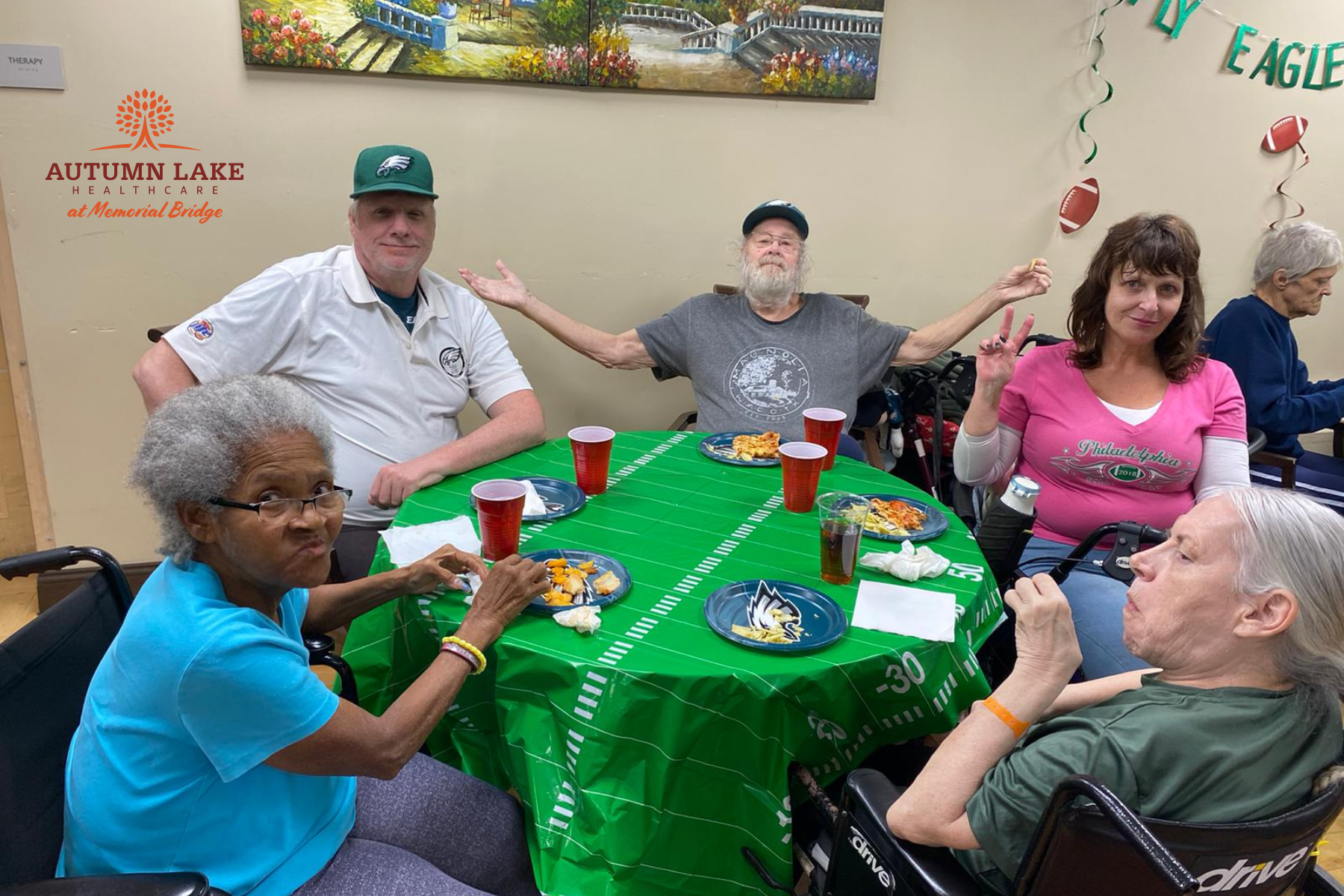
An group of residents enjoying a communal meal and social time at a green-clothed table in a vibrant rehabilitation care center dining room.


Debunking the “One-Size-Fits-All” Nursing Home Food Myth

A persistent industry misconception is that nursing home food is a bland, singular “mush” served to everyone simultaneously. In reality, a modern clinical kitchen operates as a high-volume custom order system. On any given day, our chef may prepare a heart-healthy salmon for one table, a texture-modified pureed poultry for another, and a carbohydrate-controlled plate for a third. We manage allergies with the same rigor as a five-star hotel, ensuring medical necessity never strips away a resident’s right to a flavorful, well-presented meal.

Lifestyle and Amenities: More Than Just a Meal

A holistic approach to nutrition recognizes that health is influenced by a resident’s entire environment. Beyond the plate, we provide a lifestyle that supports physical and mental vitality:

  • Spacious private & semi-private rooms equipped with complimentary cable & WiFi.
  • An on-site beauty salon and gift shop to boost social confidence for community meals.
  • Daily Housekeeping & Laundry Service, allowing residents to focus entirely on recovery.

We make this high-quality care accessible; we accept Medicare, Medicaid, most insurances, and private pay, ensuring top-tier nutritional care is available to our community regardless of their financial structure.

Frequently Asked Questions

Q: Can the facility accommodate specific religious diets?

A: Yes. During the “Preference Mapping” phase, we identify all religious and cultural dietary requirements and work with suppliers to ensure preparation methods meet those standards.

Q: What happens if a resident doesn’t like the scheduled meal?

A: We maintain an “Always Available” menu. If the daily special does not appeal to a resident, they can choose from alternatives ranging from grilled sandwiches to fresh salads.

Q: How do you handle residents who have trouble swallowing?

A: We use the IDDSI framework. Our chefs are trained to create texture-modified meals that are safe to swallow and visually appealing, using molding techniques to maintain the food’s natural shape.

To Sum Up

At Autumn Lake Healthcare at Memorial Bridge, we don’t just provide a room; we provide a home where your health is our passion. Whether you are looking for intensive rehabilitation or a supportive long-term community, our team is here to welcome you with open arms and a world-class dining experience. For more information about our services, contact us or schedule a tour today!

How We Involve Families in the Care Plan: A Look at Decision-Making for Long-Term Living Residents

Effective family involvement in long-term care plans occurs through structured interdisciplinary meetings, transparent communication, and shared decision-making. We integrate families by soliciting their unique insights into a resident’s history, preferences, and medical needs, ensuring the care plan is a collaborative roadmap that prioritizes the resident’s quality of life and clinical safety.

The Collaborative Framework: Roles in Decision-Making

When a loved one transitions into a professional care setting, the move marks the beginning of a vital partnership. Decision-making is a horizontal collaboration where the family’s voice is as critical as the physician’s orders. As one of the premier nursing homes in Carneys Point, NJ, we recognize that families are the keepers of a resident’s social biography. While our clinical team monitors vitals and physical therapy milestones, families provide the small details that drive daily comfort, such as a lifelong preference for morning sunlight or specific social routines.

Comparison of Roles in the Care Planning Process

Stakeholder Primary Responsibility Contribution to Decision-Making
Resident Self-Advocacy Expresses personal goals, comforts, and daily preferences.
Family/Proxy History & Advocacy Provides longitudinal health history and represents the resident’s “voice.”
Clinical Team Medical Oversight Offers evidence-based recommendations and safety assessments.
Care Coordinator Facilitation Synchronizes schedules and ensures the plan is documented and followed.

5 Steps to an Effective Care Plan Meeting

A care plan meeting should never feel like a lecture; it is an advocacy session. For those searching for a rehabilitation center in Carneys Point, NJ, understanding this five-step process is vital to ensuring a smooth recovery and a cohesive transition for their loved ones:

  1. Pre-Meeting Preparation: Families are encouraged to record observations from their visits, such as changes in mood or energy levels.
  2. Goal Alignment: We define what a successful outcome looks like for the individual, whether that is returning to independent walking or maintaining cognitive engagement.
  3. Interdisciplinary Review: Our team, including nursing, dietary, and therapy experts, presents a holistic view of the resident’s current status and clinical progress.
  4. Open Dialogue: We facilitate a dedicated time for families to ask questions regarding medications, therapy intensity, or daily behavioral changes.
  5. Formal Integration: Every decision is documented in the resident’s record, ensuring every shift of nurses and aides is aligned with the new objectives.

Debunking the Myth: “Family Input Slows Down Clinical Care”

A common industry misconception is that clinical teams should operate in a vacuum to maintain efficiency. However, at our nursing home and rehabilitation center in Carneys Point, NJ, we have found the opposite to be true. Family involvement actually leads to better clinical outcomes and fewer hospital readmissions. When families are active participants, residents experience lower levels of anxiety because the care they receive feels familiar and personalized rather than clinical and detached.


Gemini said
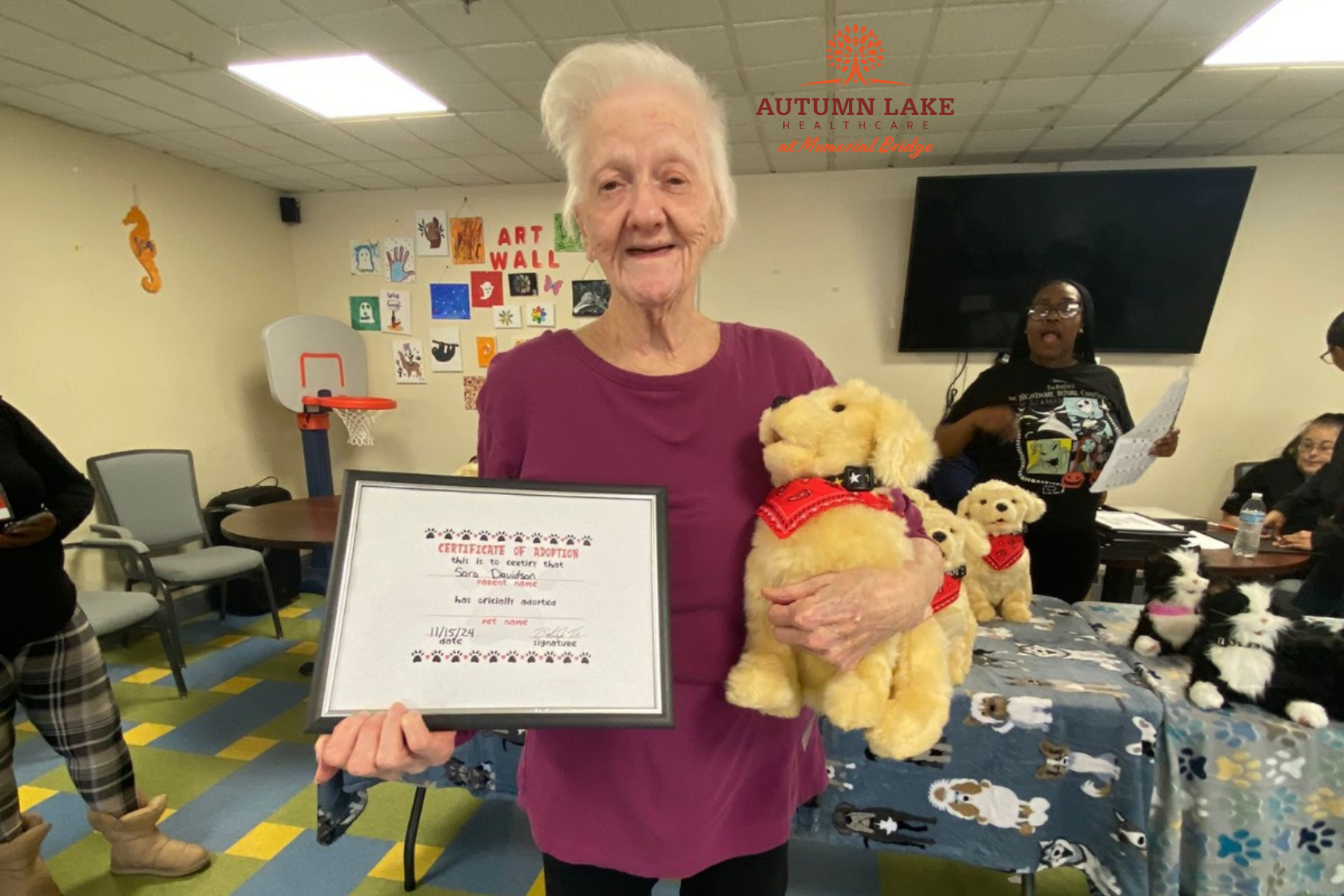
An elderly woman smiling and holding a certificate and a stuffed dog during a resident activity at a nursing home.


Our Approach: Creating an Uplifting, Vibrant Environment

We take pride in creating an uplifting, vibrant environment where our award-winning team pours passion into every detail. We care for each resident like family, filling each day with engaging, meaningful services. As a leading care center in Carneys Point, NJ, we deliver this through our specific “Uplift & Engage” standard, which ensures that families are never sidelined. This approach integrates the following amenities and services into the daily care plan:

  • Gourmet Dining Experience: Prepared by our culinary chef under the direction of a registered dietician, featuring a variety of menu selections.
  • Living Comforts: Spacious private and semi-private rooms equipped with complimentary cable and WiFi to keep families connected.
  • Outdoor Serenity: Access to a private courtyard and garden, providing a peaceful space for family visits.
  • On-Site Convenience: An on-site beauty salon, gift shop, and spacious lounges for social gatherings.
  • Essential Support: Daily housekeeping and laundry services, plus proximity to Riverside Park for local outings.

By accepting Medicare, Medicaid, most insurances, and private pay, we ensure the focus remains on the resident’s quality of life rather than administrative hurdles.

The Future of Senior Living

The ultimate goal of involving families is to ensure that senior living in Carneys Point, NJ, remains a chapter of growth and genuine connection. By integrating family insights with our professional expertise, we create a living document that evolves as the resident does. Whether through a shared walk in our private garden or a collaborative meeting in one of our lounges, the family remains the heartbeat of the care plan.

Frequently Asked Questions

How often do care plan meetings take place?

Typically, formal care plan meetings occur upon admission, quarterly thereafter, and whenever there is a significant change in the resident’s medical condition.

Can a family member request a change to the care plan at any time?

Yes. If a family member notices a change or has a concern, they do not need to wait for a scheduled meeting to request a review of the care plan with the nursing or therapy team.

What happens if the family and clinical team disagree?

Our team facilitates a mediation process that prioritizes the resident’s autonomy while considering safety and clinical necessity. We work to find a “Middle Path” that satisfies both medical requirements and family preferences.

To Sum Up

At Autumn Lake Healthcare at Memorial Bridge, we build a community where your family is our family. From our gourmet dining to our vibrant social calendar, every detail is designed to help your loved one thrive.

Ready to see how we can partner with your family?

Visit our team to schedule a tour and discover our vibrant, uplifting environment.