Care plans for long-term residents are adjusted through continuous clinical monitoring, quarterly multidisciplinary reviews, and immediate reassessments following significant health changes. By evaluating physical mobility, cognitive status, and medical stability, care teams implement tiered interventions, ranging from upgraded assistive devices to specialized nursing protocols, ensuring support always aligns with the resident’s current functional abilities.
The Anatomy of a Care Plan Evolution
In long-term care, stagnation is a risk to resident wellness. A resident who enters a facility with high levels of independence may, over months or years, face new challenges that require a shift in strategy. Adapting to these changing medical and mobility needs is a clinical necessity. When researching nursing homes in Carneys Point, NJ, families often ask how we ensure their loved ones don’t “fall through the cracks” as their health profile shifts. The answer lies in a structured evaluation process that treats the care plan as a living document.
Every resident undergoes a formal assessment upon admission, but the true work begins in the weeks that follow. We monitor “activities of daily living” (ADLs), such as dressing, bathing, and eating, to identify subtle trends. If a resident begins to struggle with a task they previously mastered, it triggers an automatic interdisciplinary review. This ensures that the care provided is never “too much” (which can strip away independence) or “too little” (which compromises safety).
Mobility Transitions: Comparing Support Levels
Mobility is often the first area where adjustments become visible. A resident might transition from walking independently to needing a cane, then a walker, and eventually perhaps a wheelchair. Each of these stages requires a different environmental setup and staffing approach. As a premier rehabilitation center in Carneys Point, NJ, we prioritize maintaining the highest possible level of function through every transition.
| Functional State | Mobility Indicators | Intervention & Equipment Adjustment |
| Independent | Steady gait, no assistance needed. | Baseline monitoring; preventative wellness exercises. |
| Ambulatory with Assist | Slight instability, fatigue during walks. | Introduction of rolling walkers; PT-led strength training. |
| Transfer Dependent | Difficulty standing from seated positions. | Implementation of sit-to-stand lifts; 1-person physical assist. |
| Non-Ambulatory | Unable to bear weight or propel manually. | High-back power wheelchairs; full-body mechanical lifts. |
During a recent audit for our residents near the Riverside Park area, we noted that environmental familiarity plays a massive role in mobility. By keeping the layout of our spacious private and semi-private rooms consistent while upgrading the medical equipment within them, we reduce the cognitive load on residents, making these mobility transitions feel less daunting and more like a natural evolution of their daily routine.
Our Philosophy: Creating an Uplifting, Vibrant Environment
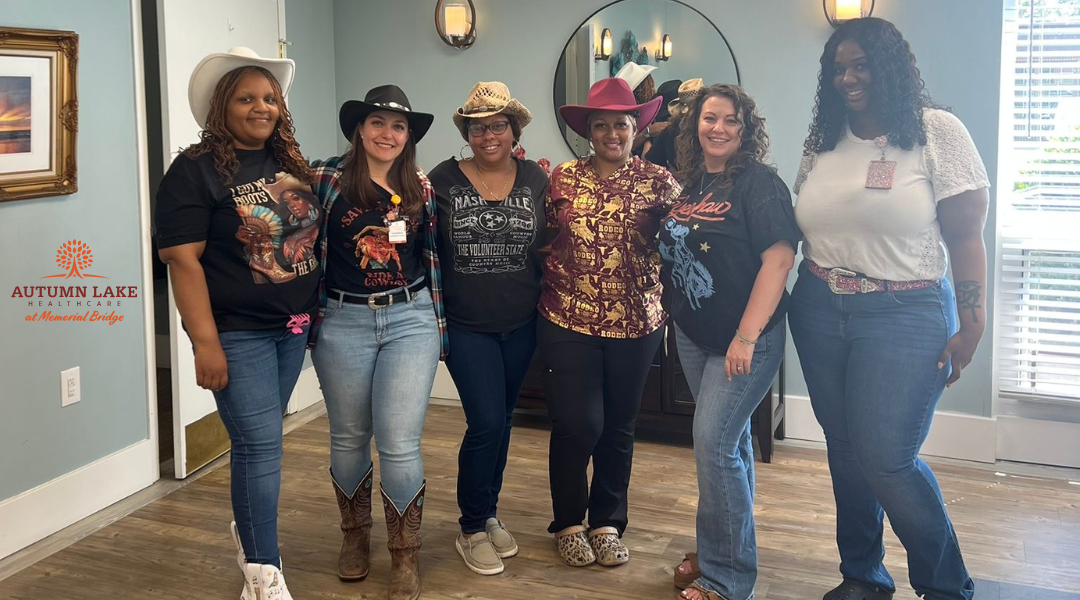
At our facility, we take pride in creating an uplifting, vibrant environment. Our award-winning team pours passion into every detail, caring for each resident like family and filling each day with engaging, meaningful services. This philosophy ensures that as medical needs increase, the resident’s quality of life does not decrease. We integrate clinical adjustments into a lifestyle that remains dignifying and joyful.
A cornerstone of this environment is our gourmet dining experience, prepared by our very own culinary chef under the direction of a registered dietician. Even if a resident requires a textured-modified diet or specialized nutrition for assisted living in Carneys Point, they still enjoy a variety of menu selections. We believe that medical necessity should never come at the cost of a delicious, social mealtime.
Our facility is designed to support these transitions through a range of high-end amenities:
- Spacious private & semi-private rooms: Allowing for the integration of medical equipment without feeling “clinical.”
- Complimentary cable & WiFi: Keeping residents connected to their global community.
- Private courtyard and garden: Safe, accessible outdoor spaces for fresh air and movement.
- On-site beauty salon & Gift shop: Maintaining the rhythms of normal daily life.
- Daily Housekeeping & Laundry Service: Removing the burden of chores so residents can focus on health.

Debunking the “Plateau” Myth in Long-Term Care
A common industry misconception is the “Maintenance Myth”, the idea that once a resident reaches a certain level of decline, their care plan should remain static because they have “plateaued.” This is a dangerous way of thinking often found in a standard nursing home in Carneys Point, NJ, where staff might become reactive rather than proactive.
The reality is that “maintenance” is a high-energy activity. To keep a resident at their current level of health requires constant adjustment. If we stop adjusting the care plan because we believe the resident is “stable,” we miss the tiny windows of opportunity to prevent secondary complications like skin breakdown or muscle atrophy. Our team treats “stability” as a goal that requires daily effort, ensuring that even when a resident isn’t “improving” in the traditional sense, their quality of life is being protected.
5 Steps to a Successful Care Plan Transition
When our team identifies a significant change in a resident’s status, whether it’s a new medication or a decrease in stamina, we follow a five-step protocol to ensure the transition is seamless. This is particularly vital for those transitioning into senior living in Carneys Point, NJ, where the goal is to balance safety with a high-energy lifestyle.
- Comprehensive Assessment: A “head-to-toe” evaluation by the nursing and therapy teams to establish a new baseline.
- Family Consultation: We meet with families to discuss the data and align on new goals, ensuring transparency and peace of mind.
- Resource Allocation: We immediately bring in necessary equipment, whether that’s specialized seating or advanced monitoring tech.
- Staff Re-Training: Every caregiver is briefed on the new requirements to ensure consistency across all shifts.
- Audit & Refine: We conduct a 72-hour “pulse check” to see how the resident is responding to the changes.
Frequently Asked Questions
How often are care plans updated?
Standard reviews happen quarterly, but “significant change” assessments occur immediately if a resident experiences a fall, a hospital stay, or a major change in physical or cognitive function.
Can a resident return to a lower level of care?
Yes. Through our rehabilitation protocols, many residents regain strength and can move from high-intensity nursing support back to a more independent lifestyle within the facility.
What insurances do you accept?
We accept Medicare, Medicaid, most insurances, and private pay. Our team assists families in understanding how coverage applies to different levels of care.
To Sum Up
At Autumn Lake Healthcare at Memorial Bridge, we believe that changing needs shouldn’t mean a change in quality of life. Our award-winning team is dedicated to providing a seamless transition for your loved one, ensuring they receive the clinical care they need within a vibrant, family-like atmosphere.
Would you like to see how we tailor our care plans in person?
Schedule a tour of our private courtyard and gourmet dining facilities today!